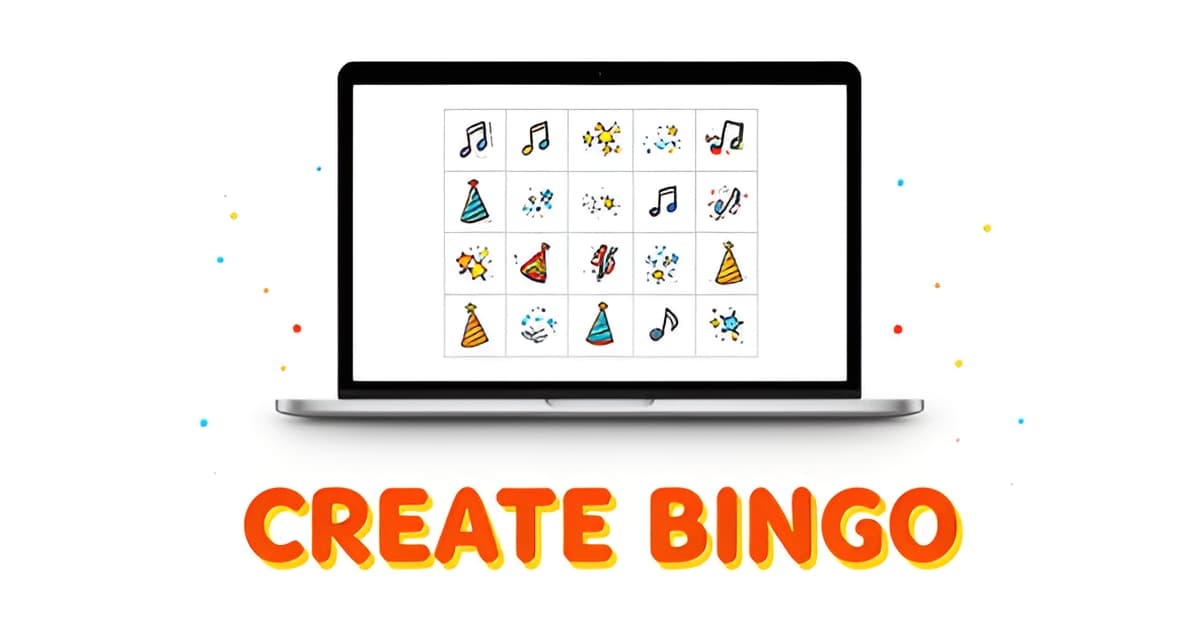
How do I create my own bingo game?
Key Facts
- Modern bingo has evolved beyond traditional number-calling to include themed variants like music bingo, trivia bingo, and holiday games, with customization adding "an extra layer of excitement and keeps players coming back for more"
- The viral "2025 bingo card" goal-setting format popularized on TikTok uses a standard 5x5 grid of 25 squares, with part of its appeal that people made the cards themselves
- Printoodle's free tier gives new users 10 credits upon email verification, with credit packs starting as low as $5, and reprints are free forever
- Crossing off items on a bingo card provides "a really nice way of reaffirming that dopamine hit," making goal-tracking or gameplay inherently rewarding
- Customizing cards to match specific themes like birthdays or graduations, or include inside jokes, resonates with players and adds a personal touch that generic cards lack
Why Custom Bingo Beats Generic Templates
Anyone who's ever hosted a party knows the moment a generic bingo card hits the table: polite interest, then phones come out. When people ask "how do I create my own bingo game," what they're really after is that spark you get when a guest sees their own name, an inside joke, or the mom-to-be's favorite snack on a square.
The demand for personalized bingo is real and growing. Modern bingo has moved well beyond number-calling, with themed variants like music bingo, trivia bingo, and holiday games taking off, and customization described as adding "an extra layer of excitement" that keeps players coming back. Party hosts now build cards around school themes, birthdays, and graduations, complete with inside jokes that land differently for every guest at the table.
Why does custom beat generic every time? A few reasons stand out:
- Themed cards match the occasion, whether it's a baby shower, bridal brunch, or a kid's birthday kit with the child's name woven in.
- Inside jokes and personal photos give players something to talk about between squares, turning a quiet game into a conversation starter.
- Crossing off a square you actually care about delivers what commentators call "a really nice way of reaffirming that dopamine hit," which keeps engagement high.
- Personal cards work for education too, with teachers and parents using variations like reading bingo to make practice feel like play.
There's also a social trend worth noting: the viral "2025 bingo card" goal-setting format, popularized on TikTok, uses a standard 5x5 grid of 25 squares, and part of its appeal is that people made the cards themselves, often in Canva or by hand. The impulse is the same one driving custom party bingo: a grid you built feels like yours in a way a printed number sheet never will.
The good news is you no longer need to hand-draw 25 squares or fight with spreadsheet formulas. With a bingo card generator like the one Printoodle offers, you upload a photo, a document, or just type a short brief, spend a credit, and download a print-ready PDF in Letter or A4 format. Everything you make is saved to your library, so reprints stay free forever, which matters when a guest loses a card or you need extras at the last minute.
If you want to test the waters before committing, Printoodle's free tier gives you 10 credits just for verifying your email, with credit packs starting at $5. That's enough to prototype a baby shower card, a family photo version, and a set of inside-joke squares before you print a single sheet. Bingo was always low-cost, easy-to-learn entertainment requiring minimal setup; now the cards themselves can be just as personal as the party around them.
Turn Your Own Content Into a Bingo Card
Turning a personal photo or a quick brief into a printable bingo card is faster than setting up a physical board, and Printoodle’s tool is built specifically for that workflow. Users upload a photo, like a pet picture or a family snapshot, or a short text brief, spend a credit, and download a PDF ready to print. The platform defaults to Letter size, with an A4 toggle for international users, and every creation lives in a library where reprints are free forever. This approach removes the need for manual grid drawing or hunting for templates, letting the content drive the game.
The demand for customized bingo experiences has grown significantly, particularly for events like baby showers and bridal showers. Research shows that modern bingo has evolved beyond traditional number-calling to include themed variants such as music bingo, trivia bingo, and holiday-themed games, and that customization “adds an extra layer of excitement and keeps players coming back for more.” This trend extends to personal use, with sources noting the creation of cards featuring school-related themes or inside jokes for graduations and birthdays. Printoodle sits at the intersection of this trend and digital accessibility, positioning bingo as low-cost, easy-to-learn entertainment requiring minimal setup, playable indoors or outdoors.
Printoodle’s free tier gives new users 10 credits upon email verification, and credit packs start as low as $5, with reprints free forever. The default output is a Letter-sized PDF, though users can toggle to A4. For those testing the waters, the free credits allow prototyping different briefs, whether a family photo or a list of inside jokes, without financial commitment, aligning with the “low-cost, easy-to-learn” nature of bingo highlighted in market analysis. Once the card is generated, printing and displaying it somewhere visible, like a fridge or wall, ensures the game gets played and goals or numbers are crossed off regularly, reinforcing the psychological engagement that experts say provides “a really nice way of reaffirming that dopamine hit.”
For educational or family contexts, Printoodle also supports variations like reading bingo. The platform’s tools can transform lesson material or short briefs into themed activity sheets, making it a flexible option for teachers and parents alike. After generating the PDF, the next step is simply printing and playing. Print it. Doodle it. Done.
Free Trial, Print Forever: Your First Card
The best way to learn how do I create my own bingo game is to just make one, and the free tier on Printoodle makes that a zero-cost experiment. You get 10 credits when you verify your email, which is plenty to prototype a card, tweak your brief, and print a second version without spending anything.
Start at the bingo card generator with a short, specific brief. Describe the occasion, the players, and the vibe you want: a birthday card built around inside jokes, a holiday grid for the family dinner, or a classroom set drawn from your own lesson material. Themed cards like these are exactly what keeps players engaged, according to trend coverage of modern bingo, which notes that customization adds an extra layer of excitement and keeps people coming back.
A few tips for your first prototype:
- Keep it to a 5x5 grid with 25 squares for your first attempt. That's the format the viral "2025 bingo card" trend settled on, per coverage of the trend, and it works just as well for game night as for goal tracking.
- Write your brief around one theme. A card matching a birthday or graduation theme lands better with players than a generic number grid.
- Download the PDF in the default Letter size, or toggle to A4 if that's what your printer takes.
- Print it and stick it somewhere visible. The fridge or a wall works; players cross things off more often when the card is in plain sight.
Here's the part most people miss: reprints are free forever. Every card you generate lives in your library, so once you've spent a credit on a design, you can print it again next month, next year, or for a second round of the same game at no cost. That means your prototype can become the real thing. Play it once, see which squares get laughs and which fall flat, and either reprint as-is or spend another credit on a refined version.
If you're building something for a classroom or a reading-motivated kid, try the reading bingo tool instead. It's the same credit system, and it turns the bingo format into a gentle nudge toward finishing books. Crossing off a square gives players what one expert called "a really nice way of reaffirming that dopamine hit," which is a fancy way of saying the format makes the task feel fun.
Your first card doesn't need to be perfect. It needs to exist. Spend one free credit, print it, and play a round tonight.
From Screen to Game Night: Display and Play
The final step of turning a digital design into a tangible game night centerpiece is where the real fun begins. Once you click print on your Printoodle PDF, the card transforms from screen pixels into a shared experience. Research into the psychology of goal-tracking shows that crossing off items on a bingo card provides a "really nice way of reaffirming that dopamine hit," making the act of marking progress inherently rewarding. This simple physical action reinforces engagement throughout the event, turning passive observation into active participation.
The ease of bringing a custom design to life is a core part of the Printoodle value proposition. The platform offers a free tier of 10 credits upon email verification, allowing users to prototype a card before committing to a paid pack starting at $5. After generating the design, the default output format is Letter size, with an A4 toggle available for different regional preferences. Once the PDF is downloaded, the recommendation is to display the finished card somewhere visible, on a fridge, a wall, or a dedicated game table. This visibility is key; the "2025 bingo card" trend highlights that keeping the card in sight ensures players cross off numbers or goals regularly, which cements the psychological engagement loop.
For those looking to add a personal touch, customization options abound. The research notes that modern bingo has evolved beyond traditional number-calling to include themed variants such as music bingo, trivia bingo, and holiday-themed games. Customization "adds an extra layer of excitement and keeps players coming back for more." Whether incorporating inside jokes, a specific birthday theme, or school-related motifs for a graduation, personalizing the grid makes the experience feel unique. Printoodle enables this by allowing users to upload a photo, a document, or a short brief to generate a print-ready card tailored to the occasion.
After the cards are printed and displayed, the game is ready to go. The physical act of marking the card, whether with a pen, a token, or a simple checkmark, completes the circle from digital creation to real-world interaction. It is this blend of easy digital generation and tangible, cross-off satisfaction that makes personal bingo games a standout choice for any gathering.
Bingo card generator tools make it easy to get started, or try a reading bingo variation for the next event. Print it. Doodle it. Done.
Frequently Asked Questions
How do I create my own bingo game without designing anything from scratch?
How much does it cost to make custom bingo cards?
What size grid should I use for a personal bingo card?
Can I put my own photos or inside jokes on a bingo card?
Can I use bingo for educational activities like reading practice?
What's the best way to keep players engaged with a bingo game?
Your Bingo, Your Way
Creating your own bingo game is about more than just filling squares, it’s about crafting moments that matter. From themed cards that match the occasion to inside jokes that spark conversation between rounds, customization transforms a simple game into a memorable experience. As the research shows, that personal touch adds an extra layer of excitement, turning passive players into active participants who chase that satisfying dopamine hit with every crossed-off square. Whether you're hosting a baby shower, planning a classroom activity, or just spicing up game night, the days of hand-drawing grids or fighting with generic templates are over. With tools like Printoodle, you can upload a photo, a brief, or a lesson plan and download a print-ready PDF in seconds, knowing that every card you create is saved to your library for free reprints whenever you need them. It’s low-cost, easy-to-learn entertainment that puts the fun firmly in your hands. Print it. Doodle it. Done.