How to play 7 up classroom?
Key Facts
- Heads Up, Seven Up has been played in American elementary classrooms since at least the 1950s, according to Wikipedia.
- The game requires zero materials, no dice, cards, or printouts, making it a rare no-prep classroom activity, per Education World's lesson plan.
- Most guides recommend a minimum of 14 players, with more being better because it makes guessing harder, per Icebreaker Ideas.
- Class size flexes the picker count: 3–4 pickers for 10–15 players, 5–7 for 16–25, and the full seven only for classes of 25+, per classroom scaling guidance.
- Pickers must choose a target within about one minute to keep rounds moving briskly, per WonderHowTo's guide.
- A simple fairness rule, choosers can't tap the same student twice in a row, prevents one kid from being picked every round, per Newfolks.
- A sociology instructor adapted the game so tapped students introduce themselves and share cultural backgrounds, turning it into an icebreaker.
Why Teachers Still Reach for Heads Up, Seven Up
Every teacher knows the moment: rain cancels recess, or the clock crawls toward dismissal, and 25 kids need something quiet, fast, and fun. That's exactly when knowing how to play 7 up classroom style saves the day. It needs zero materials, takes one minute to explain, and somehow keeps a room full of elementary students both silent and completely engaged.
Heads Up, Seven Up isn't a trendy teacher hack. According to Wikipedia, the game has been played in American elementary classrooms since at least the 1950s, and possibly earlier. Generations of students have put their heads down and thumbs up in the same ritual, which says something about how well it works.
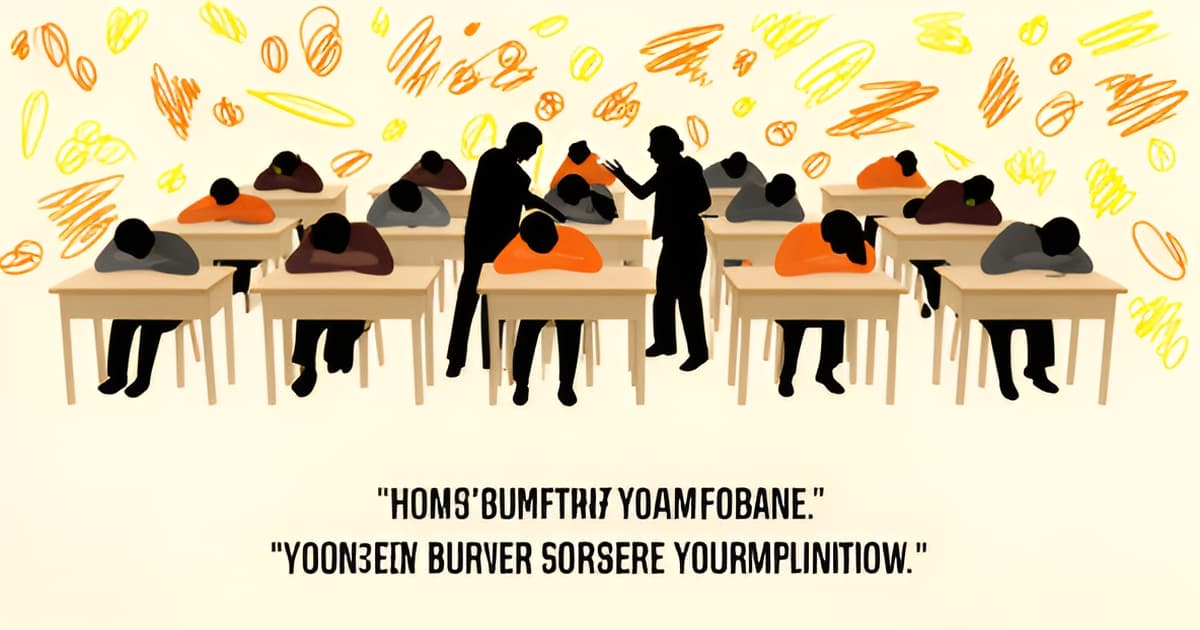
The mechanics are simple enough that even kindergartners pick it up quickly. Seven "pickers" walk the room and secretly press down the thumbs of seated students. When the teacher calls "Heads up, seven up," the tapped students stand and each gets one guess about who chose them, as outlined in this Education World lesson plan. A correct guess swaps the guesser into the picker role; a wrong guess means the picker stays "it."
The required materials list is exactly one word: none. No dice, no cards, no printouts, no setup. That's rare among classroom games, and it's a big reason teachers keep it in their back pocket.
It also scales. While classroom guides recommend a minimum of 14 players, the pickers count flexes with your class size:
- 10–15 players: use 3–4 pickers
- 16–25 players: use 5–7 pickers
- 25+ players: keep the classic seven pickers
Beyond filling dead minutes, the game quietly builds real skills. Education World frames it as a "5 Senses Game" for grades Pre-K through 5, since guessers must rely on senses other than sight. Teachers have also adapted it for math facts, spelling review, and even name-learning icebreakers where tapped students introduce themselves before guessing.
It's one of the few games that generates excitement while staying genuinely quiet, which makes it perfect for indoor recess, the pre-dismissance stretch, or any moment when the room next door is testing.
When you do want a printable on hand, quiet-time companions pair well with the game. Printoodle's word search maker and printable word search pages make easy follow-up seatwork from your own lesson material, ready in the same amount of time it takes to play a round or two. Print it, doodle it, done.
How to Play 7 Up Classroom Game: Step-by-Step Rules
Few classroom games have survived as long or as widely as Heads Up, Seven Up, which teachers have used in American elementary schools since at least the 1950s, according to Wikipedia's overview of the game. If you're learning how to play 7 up classroom style, the good news is that the rules take about two minutes to explain and require zero materials.
Step 1: Choose seven pickers. Select seven students to be "it" and send them to the front of the room. Everyone else stays seated. Most guides recommend a minimum of 14 players total, and more is always better, per Icebreaker Ideas. If your class is smaller, scale down: use 3–4 pickers for 10–15 players, and keep seven only for classes of 25 or more, as one classroom guide suggests.
Step 2: Heads down, thumbs up. The seated students put their heads down on their desks and stick one thumb up. Have them cross their arms and rest their heads on the crossed arms, which Icebreaker Ideas notes prevents peeking. As Howcast's video tutorial puts it, heads must stay down so nobody can cheat by looking at shoes as pickers walk by.
Step 3: The tap. Each picker walks quietly through the room, presses down exactly one seated student's thumb, and returns to the front. Here's the fist trick: tapped students close their hand into a fist to hide which thumb was pressed, a detail from Education World's lesson plan for the game. Pickers should make their selection within about one minute to keep the round moving, per WonderHowTo's guide.
Step 4: Heads up, seven up! The teacher calls the classic phrase, and the seven tapped students stand. Each one gets a single guess at who pressed their thumb. For fairness, teachers can vary the calling order, going front-to-back one round and left-to-right the next, a tip noted on the game's Wikipedia page.
Step 5: Swap or stay. The rules for rotation are simple:
- A correct guess means the guesser and picker trade places for the next round.
- An incorrect guess means the picker stays "it," which builds suspense over multiple rounds.
- One house rule worth adopting: pickers can't tap the same student twice in a row, which Newfolks recommends to prevent frustration.
Keep each phase to two or three minutes so a full round fits neatly into those last minutes before dismissal. And when you need a follow-up quiet activity, Printoodle's word search maker or a ready-made printable word search pairs nicely with the same calm, focused energy the game creates.
Adapting 7 Up for Any Class Size
The beauty of 7 Up is that it bends to fit your roster, not the other way around. Whether you're teaching a cozy class of ten or wrangling thirty, a few simple adjustments keep the game fair, fast, and fun.
The traditional version calls for a minimum of 14 players, and most guides agree that more is better because it makes guessing harder and the roles richer. But don't let a smaller group stop you. Classroom scaling guidance suggests matching the number of pickers to your headcount:
- 10–15 players: use 3–4 pickers
- 16–25 players: use 5–7 pickers
- 25+ players: keep the full seven pickers
For genuinely small groups, the small-group adaptation works well: with 6 kids, run 2 choosers; with 10 kids, run 4. The ratio matters more than the number seven itself. Too many pickers in a small room and everyone gets tapped, which kills the mystery. Too few pickers in a big class and students sit through round after round without ever being chosen.
Timing flexes just as easily. One approach gives pickers about one minute to make their selection, which keeps the energy crisp. Another recommends a two-to-three-minute limit per phase so rounds never drag. Pick whichever suits your class's attention span; both work because the real goal is momentum, not precision.
One rule addition worth keeping from the small-group playbook: choosers can't push down the thumb of the same person twice. In a small class, without this rule, one student can end up tapped every single round while others never get a turn. It's a small tweak that prevents big frustration.
If you're running 7 Up as a five-minute filler before dismissal or a rainy-day recess activity, the scaled versions shine. And when the game wraps up and you need another quiet, no-prep option, Printoodle's word search maker turns your own lesson vocabulary into a puzzle in seconds, or you can grab a ready-made printable word search for the same calm, focused energy. Pair 7 Up with a printed puzzle and you've covered the last twenty minutes of any class size, no matter how many students walk through your door.
Teacher Tips: Stopping Peeking, Cheating, and Frustration
Every teacher who runs 7 Up eventually faces the same three headaches: peekers, repeat targets, and one student who never gets picked. Here's how to shut all three down before they start.
Block the peeking first. Have students cross their arms on the desk and rest their heads on top of them, a technique recommended by classroom-experienced game guides. This physically hides their eyes and makes sneaking a glance nearly impossible. As one Howcast tutorial puts it, heads must stay down so students can't cheat by looking at your shoes as you walk by. Shoe-gazing is the classic tell, since distinctive sneakers give pickers away.
Dimming the lights adds another layer of protection. A sociology instructor who adapted the game for college students found that lower lighting keeps anyone from spotting who touched them, and it works just as well in an elementary room.
Keep the guessing fair. If you always call on tapped students in the same order, kids in the back row figure out the pattern and get an edge. The standard advice is to alternate the call order each round: front-to-back one time, left-to-right the next. It takes two seconds to mix up and keeps every guesser on equal footing.
Stop the repeat-target problem. Nothing kills enthusiasm faster than the same student getting tapped every single round. The fix from parenting and activity site Newfolks is a simple house rule: choosers can't push down the thumb of the same person twice in a row. One round of "no double taps" and pickers have to spread the fun around.
Here's your quick fairness checklist:
- Arms crossed, heads down on desks before any picker moves.
- Lights dimmed during the tapping phase.
- Call order alternates: front-to-back, then left-to-right.
- No picker taps the same student twice in one round.
Keep rounds short so nobody's head stays down too long. One guide suggests pickers must choose a target within about a minute, while Newfolks recommends a two-to-three-minute cap per phase. Either way, brisk pacing keeps frustration low and the energy high.
Once the game wraps up, a quiet follow-up activity keeps the calm going. Printoodle's word search maker or a ready-made printable word search slides naturally into that post-game lull, giving you a settled classroom for whatever comes next.
Learning Variations and What to Play Next
Part of the reason teachers have kept Heads Up, Seven Up alive in American classrooms since at least the 1950s is how easily it bends toward almost any lesson. Once you know how to play 7 up classroom style, a few simple tweaks turn a quiet-time game into genuine review practice, and none of them require materials or prep.
The most popular adaptations swap the tap for a question. Instead of just pressing a thumb down, the picker asks the seated student a problem before moving on. Teachers use this format for:
- Math facts like multiplication, addition, division, or quick word problems
- Spelling words, where the student must spell the word correctly before their thumb goes down
- Vocabulary review, with the picker reading a definition and the student supplying the term
- Name and culture icebreakers, where tapped students introduce themselves and share something about their background before guessing
That last version comes from a sociology instructor who modified the game so tapped students introduced themselves and discussed their cultural backgrounds, turning one round into a lesson on names, heritage, and classroom community. It works at any grade level where students are still learning each other's names.
For younger grades, Education World frames the game as a "5 Senses Game" for Pre-K through grade 5. Students practice using senses other than sight to figure out what happened around them while their heads were down. Since the game builds observation, memory, and social awareness anyway, this framing gives younger kids language for what they're actually doing.
A few logistics make the academic versions run smoothly. Keep the picker's question under the same one-minute selection window the standard game uses, and consider a two-to-three-minute cap per phase so a review round doesn't eat your whole period. Dimming the lights helps prevent peeking, which matters even more when students are thinking hard about an answer instead of paying attention to their surroundings.
When the energy winds down and you need the room quieter still, pair 7 Up with a seated follow-up. A puzzle that reviews the same material works well here, and it takes seconds to prepare. You can build a custom puzzle from your own spelling list or unit vocabulary with Printoodle's word search maker, or grab a ready-to-go printable word search and have copies in students' hands before the excitement from the last round fades. Print it, doodle it, done.
The rhythm of a good 7 Up session looks like this: one or two high-energy rounds with math facts or spelling questions, then heads down at desks with a word search that reinforces the same content. You get the movement and social payoff of the game plus the quiet review time every elementary teacher needs, and the whole thing fits neatly into the last twenty minutes before dismissal.
Heads Down, Thumbs Up, Game On
Now you know how to play 7 up classroom style from every angle: the classic five-step rules, picker counts that flex from 6 kids to 30, anti-peeking tricks like crossed arms and dimmed lights, and academic twists that turn a rainy-day filler into math or spelling review. It's no accident the game has survived in American classrooms since at least the 1950s, according to its Wikipedia history, zero materials, one minute of setup, and a room full of quietly thrilled students is a combination teachers never outgrow. Your next step is simple: try a round tomorrow with three or four pickers, add the no-double-tap rule, and see how your class responds. When the game winds down and you need calm seatwork to match, turn this week's vocabulary into a puzzle with Printoodle's word search maker or grab a ready-made printable word search. Print it, doodle it, done.