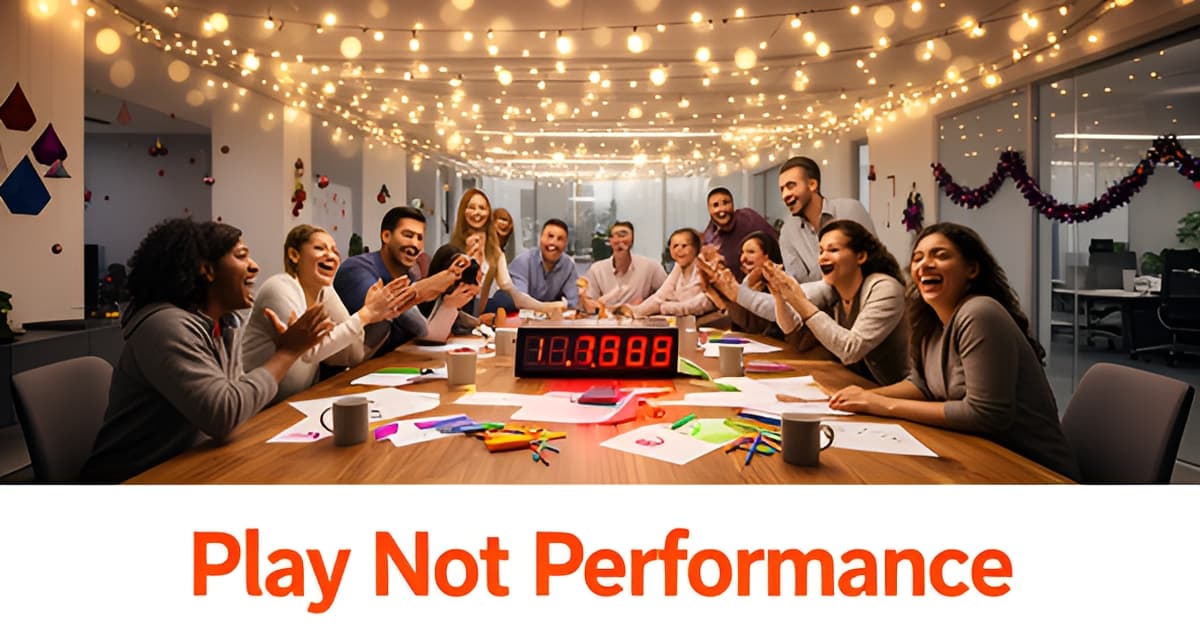
Office Holiday Party Games: Printable Team Challenges That Aren't Awkward
Key Facts
- The ideal office holiday party game lasts exactly 30 minutes to end before energy dips.
- A proven 30-minute run sheet includes a 5-minute opener, 10-minute main game, and 6-minute closer.
- The WHO frames alcohol-free events as leadership in health promotion, not a restriction.
- Alcohol presence in professional settings can create discomfort and exclusion for diverse teams.
- Sixty-second timed challenges keep office games fast, fair, and focused on low-stakes interaction.
- Safe get-to-know-you prompts focus on snacks and desk habits, avoiding personal or political topics.
- More 60-second stations mean more winners, ensuring every team leaves with something to celebrate.
Why Most Office Holiday Party Games Fall Flat
You’ve probably seen it happen. The host announces a game, the room goes quiet, and someone checks their phone. That silence isn’t accidental. It’s a design failure.
Work party games often fail because they confuse forced participation with genuine connection. As noted by industry analysts, one awkward icebreaker can undo months of goodwill, and your quietest employees feel it first. When the format demands performance rather than play, people disengage.
The problem usually stems from four specific causes. First, prompts are too personal. Second, rules are unclear. Third, there’s no stopping cue for talkers. Fourth, the host hits dead space between activities. Without a clear structure, the energy drains fast.
Certain games reliably backfire in a professional setting. Think truth-or-dare, roasts, public ranking of coworkers, or anything requiring personal confessions. These formats force vulnerability without consent. They create discomfort, not camaraderie.
Consider the "Office Match-Up" game. It works because the prompts are shallow and safe. You ask about a snack you’d defend or a meeting room item you always look for. The rule is explicit: nothing private, medical, political, romantic, religious, or embarrassing. This keeps the interaction light and inclusive.
Structure matters more than content. A grab-bag of activities creates chaos. A structured 30-minute plan beats that every time. You need a minute-by-minute run sheet. For example, a 5-minute opener, a 10-minute main game, and a 6-minute closer. This pacing ensures you end before the energy drops.
The 30-minute format is ideal for office settings. It’s short enough to respect busy schedules but long enough to build momentum. You can use hosting plans that include ready-to-read scripts. These scripts tell the room: no one has to perform, no one gets eliminated, and passing is always fine.
Inclusivity is key. The World Health Organization frames alcohol-free events as a way to demonstrate leadership in health promotion, not as a restriction. WHO guidance notes that alcohol’s presence can create discomfort and exclusion. Designing for everyone means offering seated variants and opt-out lounges.
You don’t need to invent everything from scratch. Look for formats that work for both quiet and loud personalities. Games should fit in a break room and not take an hour to set up. Simplicity wins.
Here are three principles for avoiding awkwardness:
- Give a sample answer before asking for participation. Use a visible timer to create natural stopping cues.Move immediately after a pass; a pass should not become a moment.Keep rules explainable in under a minute.Allow teams to choose their own speakers.
When you strip away the pressure, the connection happens naturally. You’re not forcing fun. You’re creating the conditions for it. The goal is to end the party with a little more energy than you started with. That’s the difference between a cheesy obligation and a memorable team moment.
Printable materials help here. They provide clear rules and consistent prompts. Tools like 60-second games for adults offer structured challenges that keep the pace tight. You can also generate get to know you questions for coworkers that are safe and engaging.
The best office holiday party games respect the time and comfort of every participant. They are fast, fair, and focused on low-stakes interaction. When you remove the awkwardness, you unlock the fun that was there all along.
The 30-Minute Run Sheet That Keeps Energy Up
The difference between a party people enjoy and one they tolerate usually comes down to timing, not games. The best office holiday party games fit into a tight 30-minute run sheet that ends while everyone's still having fun. The structure below comes from a detailed 30-minute hosting plan built specifically for low-pressure workplace parties.
Here's the minute-by-minute breakdown:
- 0:00–2:00: Welcome and ground rules. Say the plan out loud so nobody braces for an awkward icebreaker.
- 2:00–9:00: Two-Word Check-In. Prompts like "describe your week in two words" or "name your ideal snack in two words" get everyone talking without asking for personal stories.
- 9:00–20:00: Desk Object Pitch. The main event. Each team gets 60 seconds to pitch a fake product invented from an ordinary desk object, complete with a product name, the problem it solves, and one silly feature. Drop to 45-second pitches if you have 11 to 20 people.
- 20:00–28:00: Office Match-Up. A guessing closer using safe prompts like "a snack I would happily defend is…" with 10 seconds per card.
- 28:00–30:00: Wrap-up. End it. Really.
Start with a ready-to-read script so there's no dead air: "Thanks for taking 30 minutes. We're going to play three very quick, low-pressure games. No one has to perform, no one gets eliminated, and passing is always fine. The goal is just to end the party with a little more energy than we started with."
Team size determines your setup: run 2 teams for 6–10 people, 3–4 teams for 11–20, and 5–6 teams for 21–30. Let teams pick their own speakers, and keep a visible timer running so no one hogs the floor. And make the passing rule real: if someone passes, move on immediately. A pass should not become a moment.
Ending at the 30-minute mark, before energy dips, is a feature. Three games in half an hour (a short opener, a 10–12 minute main challenge, a 6–8 minute closer) leaves people wanting more instead of checking their watches. If you want more challenge ideas to slot into that main-event window, there are plenty of 60-second games for adults you can print as ready-made challenge cards, and pairing them with a few light get to know you questions for coworkers covers the whole run sheet in one printout. Print it. Doodle it. Done.
60-Second Team Challenges: The Centerpiece Format
Sixty seconds is long enough to win, short enough to survive, and the whole reason this format works. Timed challenges keep office holiday party games from turning into the meeting everyone dreads.
The rules explain in under a minute, so there's no dead air while the host fumbles through a rulebook. Nobody gets eliminated, which means the quiet folks stay in the room. And a visible timer does the pressure work for you: the clock decides when a round ends, not the host.
The Desk Object Pitch is the anchor game. Each team grabs an ordinary object (stapler, mug, marker, folder) and gets 60 seconds to pitch it as a fake product, with a product name, the problem it solves, and one silly feature. For groups of 11 to 20, trim it to 45 seconds, since a 30-minute office party hosting plan recommends shorter pitches so more teams get airtime.
The Minute-to-Win-It station circuit runs the same principle as a rotation:
- Ornament stacking: build the tallest balanced tower before the clock stops.
- Candy-cane fishing: hook and lift without using hands.
- Snowball toss: land soft "snowballs" in a target bin.
- Marshmallow transfer: move a pile from bowl to bowl with a spoon in your teeth.
- Cup stack: pyramid up and back down in 60 seconds.
These 60-second holiday stations come independently recommended by both Stadium's roundup of Christmas party games for work and Forest Lodge Catering's corporate game list, which describes ornament stacking, candy-cane fishing, and snowball toss as quick, low-commitment wins.
More stations means more winners means more recognition. When four teams each take a different station, four teams leave with something to celebrate instead of one champion and a room of spectators. Printoodle's 60-second games for adults cards give you a printable deck for each station, plus get to know you questions for coworkers if you want a low-stakes opener before the timer starts. Print it. Doodle it. Done.
Get-to-Know-You Questions That Don't Get Too Personal
The best get-to-know-you prompts for a work party are the shallow ones. Snacks, desk habits, winter drinks, and ugly sweaters give people something easy to answer without handing over anything they'd rather keep private, which is exactly why these prompts show up in a 30-minute office party hosting plan built around low-pressure games.
The safe list looks like this:
- "A snack I would happily defend is..."
- "A meeting room item I always look for is..."
- "A workday sound I recognize instantly is..."
- "A tiny office convenience I appreciate is..."
Notice none of these ask about anyone's life outside the office. The same plan sets an explicit rule worth copying: nothing private, medical, political, romantic, religious, or embarrassing. That single filter prevents most icebreaker disasters before they start, because the questions that make people freeze are almost always the ones that reach too far.
The Two-Word Check-In takes this even further. Prompts like "describe your current energy in two words," "name your ideal snack in two words," or "describe this week in two words" work because they don't ask for personal stories at all. Everyone answers in seconds, nobody has to perform, and the format is short enough that even your quietest teammate can participate without dreading it. It's why the format gets described as an office icebreaker that isn't awkward.
If you want mingling without anyone standing in the spotlight, Holiday Bingo does the job. Players circulate looking for coworkers who match light squares like "wearing an ugly sweater," "brought a Secret Santa gift," or "has a favorite winter drink," which one corporate holiday party guide calls a fast, low-pressure way to get everyone mingling. The bingo format keeps everyone off stage: people move, chat, and get found, but no individual has to address the room. It's a good fit for cross-team parties where half the attendees don't know each other's names yet.
You can build your own deck of these prompts in a few minutes. Printoodle's generator turns a short list into print-ready get to know you questions for coworkers cards you can cut out and pass around, and reprints stay free if you want to run the same deck at next year's party. Print it, cut it, done.
One last hosting tip from the research: give a sample answer before you ask the room anything. When the host answers first, people see the expected depth of response and stop worrying that the question is a trap.
Inclusive, Alcohol-Free Design That Actually Includes People
The best office holiday party games don't just avoid awkwardness for the loudest people in the room. They quietly remove the barriers that keep everyone else from joining in at all.
Start with the drinks question. The WHO is unusually direct here: alcohol's presence in professional settings "can create discomfort and exclusion," and the agency frames alcohol-free events as a way to "demonstrate leadership in health promotion," not as a restriction. That framing matters. When you plan an alcohol-free party, you're not taking something away; you're making sure the pregnant colleague, the person in recovery, the teammate who doesn't drink for religious reasons, and anyone who just doesn't feel like it can all participate on equal footing. Serve mocktails so, as Workhuman puts it, non-drinkers "needn't be left out," and add crowd-pleasers like a hot chocolate station or cookie decorating, which one corporate events guide describes as festive, all-ages, and alcohol-free so nobody has to sit anything out.
Then build the games themselves so opting out of any single round is painless. The host script from the PlayAtMe 30-minute plan says it up front: "No one has to perform, no one gets eliminated, and passing is always fine." Accessibility guidance from the same plan notes that some people prefer to pass, type instead of speak, or stay seated. Honor that with concrete design choices:
- Offer seated or tabletop versions of any physical game, so mobility never determines who gets to play.
- Let people choose their role, since some would rather sketch a snowman than perform one.
- Set up an opt-out Holiday Game Lounge with crafts and cocoa, so nobody disappears to avoid the main event; the lounge is part of the event.
- Stock a no-cost accessory station for the ugly sweater contest, so the competition doesn't quietly become a spending contest.
There's one gap the research can't fix for you: none of these sources actually provide print-ready materials. The play descriptions exist, but if you want custom bingo cards, trivia decks, or get to know you questions for coworkers on paper in hand before the party starts, you're on your own. That's where Printoodle fits in. Its generators turn a short brief into print-ready challenge cards and bingo sheets in seconds, and reprints stay free forever, so a last-minute RSVP surge never means a last-minute print scramble. Pair that with the 60-second games for adults generator and you have the whole inclusion layer handled: everyone plays, nobody performs against their will, and the quietest person in the room leaves with the same holiday memory as the loudest. Print it. Doodle it. Done.
Frequently Asked Questions
What are some office holiday party games that won't feel awkward?
How long should an office holiday party game session be?
How do you split people into teams for holiday party games?
What get-to-know-you questions are safe to ask coworkers at a holiday party?
Should I serve alcohol at the office holiday party?
How do I make sure quiet employees don't get left out of party games?
Your Party Plan Is Ready, Now Make It Printable
Great office holiday party games aren't about being loud or elaborate, they're about structure. A tight 30-minute run sheet, 60-second team challenges like the Desk Object Pitch, safe and shallow get-to-know-you prompts, and inclusive, alcohol-free design all work together to remove the pressure that makes work parties awkward. When nobody has to perform, nobody gets eliminated, and passing is always fine, connection happens on its own, and you end the party with more energy than you started with. Your next step is simple: pick your date, copy the run sheet, and decide on team counts based on your headcount. The one thing the guides can't give you is paper in hand, so let Printoodle handle that. Generate a custom deck of 60-second games for adults for your main event, pair it with print-ready get to know you questions for coworkers for the opener and closer, and you've got the whole party in one printout, with free reprints forever for next year. Print it. Doodle it. Done.