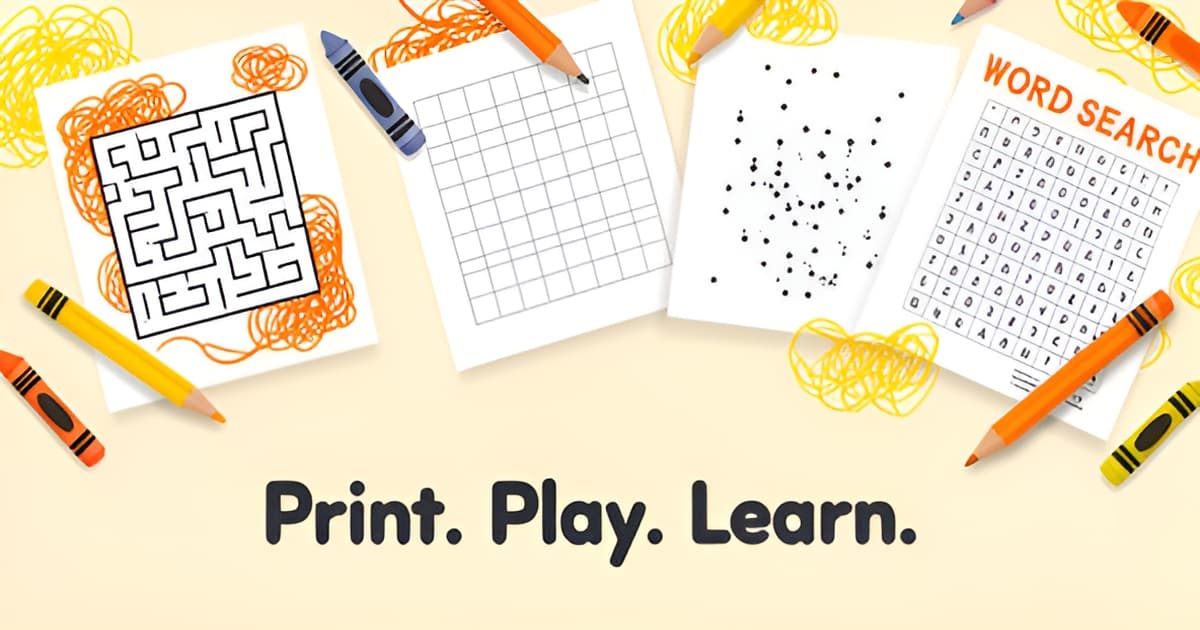
What are some fun and engaging classroom games for kids?
Key Facts
- 85% of U.S. teens play video games and roughly 4 in 10 play daily, according to Pew Research Center data.
- A national survey of 505 teachers documented game-based learning practices across K-12 grade levels.
- Colorado made esports an official competitive high school sport in 2022, Education Week reports.
- Good classroom games share three core elements, strategy, chance, and simple intuitive design, per curriculum publisher TCI.
- Edutopia's Kristen DiCerbo finds little to no evidence that bolting points and badges onto lessons produces real learning without a full game design.
- Teachers actively balance screen time by pairing digital tools like Kahoot with analog games such as Headbands, one educator told Education Week.
- Purdue's William Watson says barriers to game-based learning are smaller than ever, because students prefer playing over reading or watching.
Why Games Belong in Your Lesson Plan (and Why Screens Alone Don't Cut It)
If you've ever asked yourself what are some fun and engaging classroom games for kids?, you've probably noticed the answer splits into two camps: screens and everything else. Your students already live in the first camp. According to Pew Research Center data, 85% of U.S. teens play video games, and roughly 4 in 10 play daily. Games are simply the language kids speak.
That's actually good news for your lesson plan. Purdue University's William Watson points out that students are more willing to play a game than read a book or watch a movie, and that when you connect that willingness to learning outcomes, "we can really push that sort of learning." A national survey of 505 teachers confirms how widespread game-based practice already is across grade levels.
But here's the tension: many teachers worry their students are maxed out on screens. One teacher put it plainly in Education Week's crowdsourced roundup: "Now that every kid has a Chromebook I try to be mindful of screen time." She still uses Quizizz and Kahoot, but she balances them with analog games like Headbands played with physical cards. Digital tools earn their place; they just shouldn't own the whole period.
That's where printable, low-prep games come in. They deliver the engagement of a game with none of the screen time, and they're ready in the time it takes to hit print. Think of them as the analog counterweight teachers are already reaching for:
- One minute games for kids for brain breaks, warm-ups, and that awkward five minutes before lunch.
- Mazes for kids to build strategy and persistence with zero explanation needed.
- Kids sudoku printable puzzles for quiet logic practice that doubles as a calm-down activity.
The best part: you don't have to build these from scratch. Tools like Printoodle let you generate print-ready games from your own lesson material in seconds, so the maze or puzzle actually reinforces what you taught that morning.
One caution worth keeping in mind. Edutopia's Kristen DiCerbo notes there's little evidence that bolting points and badges onto a lesson produces real learning. Pick games that serve a learning objective rather than a leaderboard. Denver Public Schools applies the same rule to its esports program: gameplay supports learning rather than being the goal itself.
So yes, keep Kahoot in the rotation. Just make room for paper, pencils, and a little friendly competition. Your students' eyes will thank you, and your engagement numbers won't miss a beat.
What Makes a Classroom Game Actually Work: Strategy, Chance, and Simple Design
Not every game that gets kids cheering actually teaches them something. The difference between a fun distraction and a genuine learning tool comes down to a few design principles that researchers and educators keep returning to.
When you're sorting through options and asking what are some fun and engaging classroom games for kids, start with the framework from curriculum publisher TCI, which identifies three elements every good game shares:
- Strategy: a defined path to victory that rewards critical thinking instead of lucky guessing
- Chance: enough unpredictability to keep weaker players motivated and engaged
- Simple, intuitive design: rules kids can grasp in minutes, so the game starts fast
Notice how classic printable formats fit this framework naturally. A maze or kids sudoku printable leans on strategy, while one minute games for kids add chance and urgency through the clock. All three feature design simple enough that you're explaining rules, not refereeing disputes.
William Watson of Purdue University advises educators to identify learning objectives first, then pick the game. As he puts it, "Games are created to promote engagement. So when we can take that sort of engagement and connect it to learning outcomes that we want to happen, then we can really push that sort of learning," according to K-12 Dive. Denver Public Schools applies the same logic, using "gameplay to support learning rather than treating gameplay as the goal itself," as Education Week reports.
This is where engagement numbers matter. Roughly 85% of U.S. teens play video games, and about 4 in 10 play daily, so the motivation is already there. Your job is to point it at something worth learning.
Kristen DiCerbo, writing for Edutopia, argues that quality educational games balance three equally important components: engagement, assessment, and learning. Miss one, and the game fails at its job.
Her most useful insight is that games act as invisible assessments. While a worksheet shows you a final answer, a game shows you how a student got there: whether they tried a dead end and backtracked, planned two moves ahead, or gave up after one mistake. That process data is often more valuable than the score.
So use this as your filter when choosing games for your classroom. Ask whether the game requires strategy, keeps every kid invested, and reveals something about how students think. If it only entertains, it's a brain break, and brain breaks have their place. But the games worth repeating are the ones that teach while kids are too busy playing to notice the assessment happening.
7 Fun and Engaging Classroom Games for Kids You Can Print Today
The best classroom games aren't the flashiest ones. They're the games with a clear learning goal behind them, which is exactly how educators like those in Denver Public Schools choose theirs: pick the objective first, then the format. Here are seven fun and engaging classroom games for kids that follow that principle, each one quick to print and run.
1. Back-to-School Scavenger Hunt. Curriculum experts recommend first-day scavenger hunts because games build teacher-student and student-student relationships from day one, setting a collaborative tone for the whole year. Hide task cards around the room and let teams race to complete them.
2. Jeopardy-Style Review Quiz. Turn any unit into a quiz board with categories and point values. Teachers consistently rate quiz-style games as strong formative assessment tools, since they reveal how students think, going beyond what they scored.
3. Headbands with Vocabulary Cards. One practicing teacher who balances digital tools with analog play specifically named Headbands as a favorite: "I also do analog games like Headbands, with cards." Print a deck from your lesson vocabulary and students describe, guess, and laugh their way through review.
4. Printable Mazes. Good games share three core elements: strategy, chance, and simple design. Mazes for kids lean hard into strategy and persistence, giving students a defined path to victory that rewards patient, critical thinking.
5. Kids Sudoku Printable. A kids sudoku printable builds logic the same way a good puzzle should: every move gives real-time cause-and-effect feedback, so students adjust their reasoning as they go. Print a stack at different difficulty levels and you have an instant early-finisher station.
6. One Minute Games. One minute games for kids add the second core element, chance, plus a shot of urgency. They're ideal for brain breaks and transitions, those five-minute pockets where you need everyone re-engaged fast.
7. Scenes from a Hat. Students draw prompts (historical events work brilliantly) and act them out for the class to guess. It works across subjects and costs nothing but index cards.
Why lean on printable games at all? Consider the screen-time math: 85% of U.S. teens play video games, and roughly 4 in 10 play daily. Paper-based games give students the same engagement without another screen session.
A quick checklist before you pick your next game:
- Does it map to a specific learning objective?
- Does it mix strategy with a little chance?
- Can you set it up in under five minutes?
- Does it work without a screen?
With Printoodle, you can generate any of these from your own lesson material in seconds, so the prep burden stays where it belongs: close to zero. Print it, doodle it, done.
How to Match Games to Learning Objectives Without Extra Prep
The best classroom games aren't the flashiest ones. They're the ones picked for a specific moment and a specific purpose. Emily Dixon, an education technology specialist with Denver Public Schools, puts it plainly: her district uses gameplay to support learning rather than treating gameplay as the goal itself. That single principle turns "what are some fun and engaging classroom games for kids?" from a browsing question into a matching exercise.
Purdue's William Watson frames it the same way: identify your learning objective first, then pick the format. As he told K-12 Dive, games are built to promote engagement, so the trick is connecting that engagement to outcomes you already want. Here's how that looks across four everyday classroom moments:
- Icebreakers: A first-day scavenger hunt builds relationships before content, which is exactly why TCI recommends starting the year with games.
- Review sessions: Teachers consistently reach for quiz-style formats; one Education Week teacher swears by Blooket and Gimkit for formative assessment.
- Brain breaks: Quick analog options like one minute games for kids reset attention without adding screen time, a balance teachers say they actively manage.
- Early finishers: Independent puzzles such as mazes for kids or a kids sudoku printable keep fast workers thinking while others catch up.
Notice what those four moments share: the game fits the slot, and the slot already exists in your day. You don't need to invent new routines. Practitioners are candid about this: "you don't have to build everything from scratch," as one educator put it, because barriers to game-based learning are smaller than they've ever been.
This is where generating games from your own material pays off. Take this week's spelling list or your unit topic on ecosystems, write a 30-second brief, and Printoodle turns it into a print-ready PDF: a themed word search, a bingo set, flashcards, a maze tied to the vocabulary. The content is yours, so the game reinforces exactly what you're teaching rather than whatever a generic workbook happened to cover.
Because everything you generate lives in your library with free reprints, this year's ecosystems maze becomes next year's too. One brief, one print run, and a reusable classroom asset. Edutopia's Kristen DiCerbo notes that good games act as invisible assessments, revealing how students think rather than merely what they answer. A puzzle built from your own lesson material does that quietly, while your students just think they're playing.
Print it. Doodle it. Done.