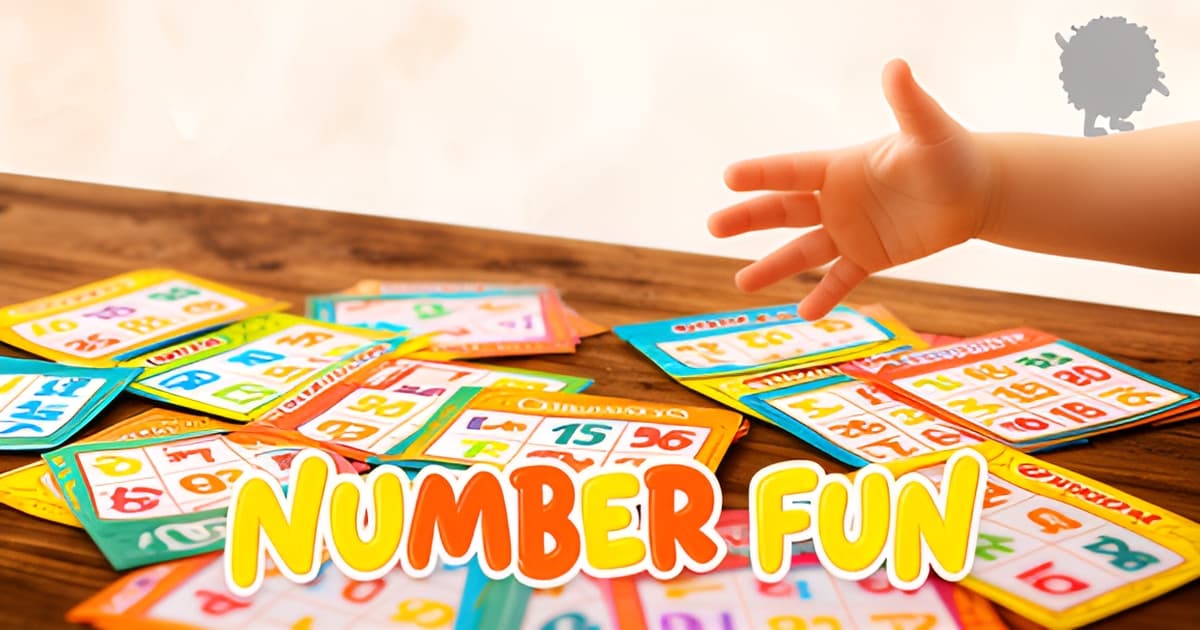
What are some good games to teach numbers?
Key Facts
- Twinkl's themed number games, including Christmas Tree Number Matching and St. Patrick's Day Pot of Gold, each earn a perfect 5.0 out of 5 user ratings, proving seasonal themes drive engagement source
- SplashLearn organizes number recognition into Within 5, Within 10, and Within 20 categories, with 17 resources per band, demonstrating a standard progression framework for early math curricula source
- IXL offers Number BINGO at two difficulty levels, 0–10 and 0–20, allowing adjustable challenge that mirrors how the game works at home and in classrooms source
- Kokotree cites Kamii & Clark (1995) stating number recognition supports comparing numbers (80%), "more than"/"less than" concepts (75%), and logical thinking (85%) in early learners source
- Tiny Polka Dot packs instructions for over a dozen games into a single card set, offering longevity as children progress from matching to addition through elementary school source
- Twinkl includes a "Hide the Bunny Number Recognition 11-20 Game" rated 5.0 out of 5, explicitly addressing the challenging teen-number transition that stumps many preschoolers source
- Reading Eggs' counting games use physical movement: Bottle Top Count & Match uses 5–10 labeled lids matched to traced numbers, while Bean Bag Counting tapes numbers 1–5 to stairs or floor for active play source
Why Number Games Matter for Early Math
Ask any preschool teacher what sticks better: a worksheet of traced digits, or a child sprinting to find the number 7 hidden behind a chair. If you're wondering what are some good games to teach numbers, the answer almost always involves hands, movement, and play.
"Counting is complicated," as math educator Kent Haines puts it. What looks like simple 1-2-3 to an adult is, in his words, "among the most complex concepts that your pre-schooler will master." Young children aren't just memorizing symbols; they're connecting quantities to numerals, what Haines calls the "five-ness" shared by five spaces and five chickens.
That's why engaging, interactive games beat rote drills for ages 3 to 6. Kokotree describes number recognition as "the backbone of any preschool math curriculum," comparable to teaching the alphabet before expecting a child to read. And the format matters: the games that teachers rate highest are physical ones.
Reading Eggs' recommended counting activities lean heavily on the body: stacking blocks, tossing bean bags onto numbers taped to the floor, and walking scavenger hunts where children match 5 to 10 labeled lids to traced numerals. Kokotree's list follows the same pattern, favoring manipulatives, flashcards, number hunts, and DIY puzzles over screen-based drilling.
Personalization amplifies the effect. Twinkl's highest-rated number games are all themed: Christmas Tree Number Matching, St. Patrick's Day Pot of Gold, and Find the Medal each earn a perfect 5.0 out of 5 from users. When a game features a season, a holiday, or a child's own interests, engagement follows. That's the thinking behind printable personalized cards you can generate with tools like Printoodle, where a name or theme turns a plain deck into something a child can't wait to play.
A few patterns from the research stand out:
- Progression by range: SplashLearn organizes number recognition into Within 5, Within 10, and Within 20, while IXL offers Number BINGO at both 0–10 and 0–20 levels.
- Printable cards are a proven format: Twinkl's Printable Playing Cards rate 4.5/5, and A Plus Teaching Resources describes dozens of card games as "tried and tested in the classroom."
- One deck can grow with the child: Tiny Polka Dot packs instructions for over a dozen games into a single card set, carrying kids from matching into addition.
Whether you're hiding cards around the room, running quick rounds of even and odd numbers bingo, or fitting one minute games for kids between lessons, the principle is the same. Children remember numbers they've moved with, laughed over, and claimed as their own.
Printable Game Formats That Actually Work
If you're wondering what are some good games to teach numbers, the answer that keeps coming up across teachers and parents alike is cards: printed cards you can hold, hide, match, and shuffle. Four formats in particular show up again and again in the educational resources parents rate highest, and all four work beautifully as printables.
Number bingo is the strongest of the bunch. It appears across multiple independent sources as a go-to for number recognition, and part of its appeal is how easily you can adjust the difficulty. IXL offers its Number BINGO game at two levels, 0–10 and 0–20, which mirrors how the game works at home: start with a small grid of ten numbers, then expand to twenty once your child is confident. Bingo also works in short bursts, which makes it a natural fit alongside quick one minute games for kids when you only have a few minutes before dinner.
Matching and flashcard decks are the second format, and the smart play here is building a deck that grows with your child. Educational platforms consistently organize number learning by range: SplashLearn, for example, splits its number recognition resources into Within 5, Within 10, and Within 20, with roughly 17 resources per band. A single printed deck covering 5, then 10, then 20 replicates that progression. The card game Tiny Polka Dot shows why this matters: its one deck includes instructions for over a dozen games, and reviewers note you'll get a lot of use out of the cards as your kids age, from simple matching all the way into early addition.
The third format is personalization itself. Seasonal and themed number games are among the highest-rated in Twinkl's collection: Christmas Tree Number Matching, St. Patrick's Day Pot of Gold, and Find the Medal all carry perfect 5.0 user ratings, while the collection's Printable Playing Cards sit at 4.5. Theme and novelty clearly drive engagement, and adding your child's name takes it further. This is where a tool like Printoodle earns its keep, since you can generate bingo cards or flashcards with a custom theme and name in seconds, then reprint free whenever a page gets crumpled.
Finally, turn those cards into movement. Number hunts, where you hide printed cards around the room and have your child find them in order, come recommended by early-learning guides as a hands-on staple. Reading Eggs' counting games use the same principle: numbers 1–5 taped to stairs for bean bag counting, and labeled lids 5–10 matched to traced numerals.
A few practical tips as you build your set:
- Start with 1–10 cards, then add a dedicated 11–20 set, since the teen numbers are a known stumbling block.
- Print quantity versions (dots, objects) alongside numerals so matching stays meaningful.
- Swap themes seasonally to keep the same deck feeling new.
- Keep one bingo grid laminated or reprinted so a lost round never ends the game.
Once your child recognizes numerals reliably, card games extend naturally into sorting practice, like grouping a deck into even and odd numbers as a next step. Print it, doodle it, done.
How to Build a Deck That Grows With Your Student
Most educators agree that the jump from single digits to "teen numbers" is where number sense really starts to stretch. Research into early math games shows that children often master counting 1 through 10 with ease, but the transition to 11 through 20 introduces a new layer of complexity, the "teens" don't follow the same predictable patterns, and the language changes from "one-ten, two-ten" to eleven, twelve, thirteen. This shift is a common stumbling block in preschool and kindergarten math, which is why a structured card deck that covers both ranges offers essential continuity from preschool through kindergarten.
A growing body of classroom data highlights how printable cards support this progression. Twinkl’s number recognition collection, for example, includes a dedicated "Hide the Bunny Number Recognition 11-20 Game" rated 5.0 out of 5, showing that educators actively organize resources beyond the 1–10 range. Similarly, IXL offers Number BINGO at two difficulty levels, 0–10 and 0–20, allowing teachers to scaffold instruction as students build confidence. SplashLearn organizes its number recognition assets into "Within 5," "Within 10," and "Within 20" categories, with 17 resources in the first band and 16 in the third, demonstrating that range-based progression is a standard organizing principle in early math curricula.
The research also emphasizes that the format matters. A card deck designed to grow with the student, starting with matching quantities to numerals, then expanding to include teen numbers, mirrors the Tiny Polka Dot model, which is praised because "you'll get a lot of use out of the cards as your kids age," supporting matching, then addition and subtraction through elementary school. This kind of continuity means one printed set can serve a child from their first preschool number games all the way through kindergarten assessments, reducing the need to constantly hunt for new materials.
Personalization is another lever that keeps engagement high as the numbers get bigger. Twinkl’s themed collections, Christmas Tree Number Matching, St. Patrick's Day Pot of Gold, and seasonal hunts, consistently earn 5.0 out of 5 user ratings, suggesting that context matters when children are tackling harder concepts. A deck that can be printed with a child's name or a favorite theme transforms a repetitive drill into a meaningful activity, making the "teen numbers" feel less like a chore and more like a game they want to play.
For teachers and parents looking to bridge that gap, a deck that moves smoothly from 1 to 20 provides the structure children need while keeping the experience playful and adaptable. Printoodle makes it easy to generate personalized number cards covering both ranges, so you can print a set today that grows with your student from their very first counting games through kindergarten mastery.
Print it. Doodle it. Done.
even and odd numbers activity generator to pair with your number deck, or explore one minute games for kids for quick classroom rounds.
Quick Setup: From Printoodle to Play
You already know which games work. The real bottleneck is prep time: cutting, laminating, and hand-making cards for twenty different learners eats your evening. That's where a quick generation step changes everything.
With Printoodle, you type a short brief, spend a credit, and download a print-ready PDF in seconds. The pages live in your library, so reprints are free forever. That matters for number games, because the research is clear that difficulty needs to grow with the child: SplashLearn organizes number recognition into Within 5, Within 10, and Within 20, and IXL offers Number BINGO at both 0–10 and 0–20 levels. One afternoon of generating sets covers you for months.
Start with a range that matches your learners. If you're wondering what are some good games to teach numbers beyond simple counting, a set of even and odd numbers cards stretches the same format into second-grade territory. Then drop the cards into any of these three formats:
- Number bingo. Generate bingo cards, call the numbers, and let kids mark matches. IXL runs the same mechanic digitally at two difficulty levels, so print just mirrors a proven format.
- Matching pairs. Numeral on one card, dots or objects on the other. Tiny Polka Dot built an entire product on this idea, packing instructions for over a dozen games into a single deck.
- Number hunt. Hide cards around the room and have children find them in order. Kokotree recommends number hunts, and Reading Eggs' counting games use the same physical-card approach with labeled lids and numbers taped to stairs.
Personalization is where engagement jumps. Twinkl's highest-rated number games are all themed: Christmas Tree Number Matching, St. Patrick's Day Pot of Gold, and Find the Medal each hold a 5.0/5 user rating. A Plus Teaching Resources builds the same seasonal hooks into its classroom-tested printables. Printoodle lets you do the same thing with the child's name on the cards, or dinosaurs, or whatever your class is obsessed with this month.
For tight schedules, treat these as one minute games for kids: a single bingo round, a quick match of three pairs, a sixty-second hunt for five hidden cards. Kokotree's advice that "the key to successful learning is consistency" fits perfectly here, because a one-minute game you can actually run every day beats a twenty-minute activity you never get to.
Don't skip the teen numbers, either. Twinkl's "Hide the Bunny" 11–20 game carries a 5.0/5 rating precisely because that range trips kids up. Generate a dedicated 11–20 set now, and you'll have it ready the moment your learners outgrow 1–10.
Frequently Asked Questions
What are some good games to teach numbers to preschoolers?
Why is number bingo such a popular game for teaching numbers?
How do I help my child learn the teen numbers (11–20)?
Do themed or personalized number games actually help engagement?
How should I progress number games as my child gets better?
Can I really teach numbers with printable cards, or do I need expensive games?
Your Next Game Night Starts With a Print Button
So, what are some good games to teach numbers? The answer you've seen throughout this article: number bingo, matching pairs, and number hunts, all built on printed cards, all scaled from 1–10 up through the tricky teen numbers, and all stronger when they carry a child's name or favorite theme. The mechanics are proven; the only thing left is making the deck. That's the part Printoodle handles: type a short brief, download a print-ready PDF in seconds, and reprint free forever when a card gets crumpled or a theme needs a seasonal refresh. Start small this week, generate one bingo grid for numbers 1–10 and hide five cards around the room for a sixty-second hunt. When your learners are ready, stretch the same deck with an even and odd numbers sorting round or squeeze in a few one minute games for kids before dinner. Children remember the numbers they've moved with and laughed over, so print it, doodle it, done.