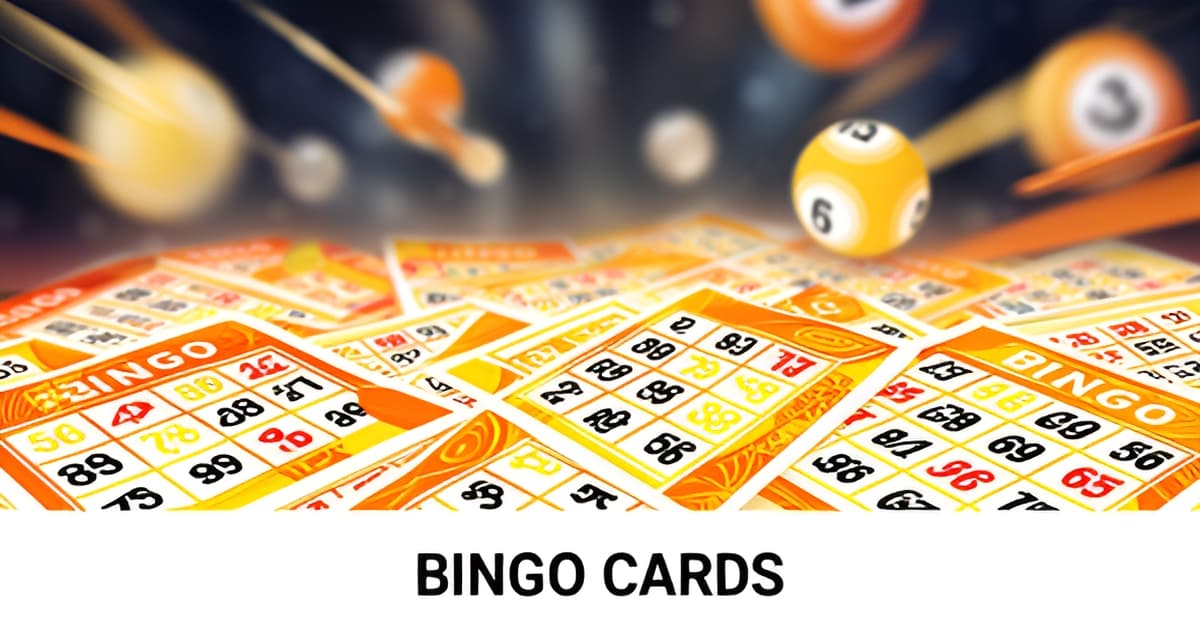
What are the different types of Bingo cards?
Key Facts
- A single 75-ball bingo card offers over 552 septillion unique number combinations, according to one industry breakdown.
- North American 75-ball cards use a 5x5 grid with 24 numbers under the letters B-I-N-G-O, per bingo game guides.
- UK-style 90-ball tickets pack 15 numbers into a 3x9 grid with four blanks per row, tombola's guide explains.
- At least 15 distinct winning patterns exist in 75-ball bingo, from Four Corners to Blackout, per pattern guides.
- 80-ball bingo uses a 4x4 grid with color-coded columns: green, red, white, and blue, according to tombola.
- Classroom bingo works from preschool to high school, with a 5x5 card holding 24 words plus a free space.
- 50-ball bingo tickets carry just 10 numbers, making it the fastest bingo format documented in game guides.
Introduction
Bingo looks simple until you start counting the ways it's played. Ask anyone what are the different types of bingo cards and you'll get answers that span continents, grid shapes, and even classroom subjects.
The biggest divide is geographic. North America runs on 75-ball bingo: a 5x5 grid with 24 numbers and a free center square, distributed under the letters B-I-N-G-O so that B holds 1–15, I holds 16–30, and so on up to O at 61–75, as bingo guides explain. The UK and Europe prefer 90-ball tickets: a 3x9 grid with 15 numbers and four blanks per row, where wins progress from one line to two lines to a full house, according to tombola's game guide.
Beyond those two giants, several other formats exist, each with its own card design:
- 80-ball: a 4x4 grid with 16 numbers from 1–80, color-coded by column (green, red, white, blue).
- 60-ball: five differently colored tickets per game, each carrying its own prize and jackpot.
- 50-ball: a fast game where a ticket holds just 10 numbers, aiming for one line or full house.
Then there's the physical card itself. Bingo Innovation's how-to guide distinguishes disposable paper cards, marked with daubers and tossed afterward, from reusable hard cards and shutter cards that use chips or sliding covers. The right choice, as that guide puts it, depends on your group size, play frequency, and budget.
The most interesting growth area, though, is thematic. Teachers swap numbers for sight words, math problems, and vocabulary, with classroom bingo working "from preschool to high school," as classroom bingo resources note. Party hosts customize titles, backgrounds, and content for showers and celebrations. Modern generators make this easy: a bingo card generator lets you produce themed, print-ready cards in seconds, whether you need 24 sight words on a 5x5 grid or a bridal shower set. A themed set like reading bingo shows how far the format can stretch beyond plain numbers.
With at least 15 distinct winning patterns documented across formats, from Four Corners to Layer Cake to Blackout, the humble bingo card turns out to be one of the most adaptable game pieces ever printed.
Key Concepts
The architecture of a bingo card varies dramatically depending on the number of balls in play, each format dictating a unique grid layout and winning logic. The 75-ball version dominates North American scenes with its 5x5 grid, housing 24 numbers around a pre-daubed free center space, while its UK counterpart, the 90-ball ticket, utilizes a 3x9 structure featuring 15 numbers with four blank squares per row designed for a tiered progression toward a full house. For players seeking faster pacing, the 80-ball format condenses the experience onto a 4x4 grid with 16 numbers, distinguished by color-coded columns ranging from green (1-20) to blue (61-80). Meanwhile, specialized variants like the 60-ball and 50-ball games offer condensed play, with the former providing five colored tickets per round each carrying independent prizes, and the latter limiting cards to just 10 numbers for a streamlined one-line or full house victory.
Statistically, the complexity of combinations scales with the ball count; a single 75-card boasts over 552 septillion unique combinations, a figure that underscores the game’s mathematical depth. Winning patterns further differentiate these formats, as 75-ball games support an extensive repertoire ranging from simple lines and four corners to complex shapes like pyramids and windmills, whereas 90-ball restricts wins to three clear milestones: one line, two lines, or a full house. This pattern variety is precisely what makes 75-ball particularly engaging for extended play, as more shapes in play increase the likelihood of multiple winners per round. Beyond pure number games, classroom adaptations have transformed the card into an educational tool, replacing digits with sight words or math problems, while themed event cards allow hosts to customize titles, backgrounds, and content to match specific occasions.
Selecting the right card format ultimately depends on the player group, desired game pace, and budget considerations. A beginner might find comfort in a simple straight-line game with one to three cards in hand, while regular players often gravitate toward reusable hard cards or shutter mechanisms to reduce long-term costs. Digital tools have expanded the possibilities exponentially, enabling organizers to experiment with custom patterns and themes without the logistical overhead of physical production. Whether planning a classroom lesson, a bridal shower, or a casual game night, understanding these structural differences ensures the game flows smoothly and remains engaging for every participant.
Printoodle offers a bingo card generator that lets you create custom cards tailored to any theme or occasion. Generate your own cards today and see the difference a custom format can make for your next event. For those focused on literacy, try reading bingo for a fun way to encourage reading habits.
Best Practices
The right card can make or break your bingo night, so a few smart choices up front save you a lot of mid-game headaches. Whether you're planning a classroom round or a themed party, these practices will help you pick and prepare cards that actually work for your crowd.
Match the format to your audience. For beginners, start simple: a straight-line game on a 75-ball card is the friendliest entry point, according to bingo guides. New players also do best with one to three cards at a time. If you want natural pacing with multiple winners, 90-ball's three-tier progression (one line, two lines, full house) does the work for you.
Choose paper or reusable cards based on how often you play. Disposable paper cards marked with daubers suit one-time events, while reusable hard cards and shutter cards pay off for regular game nights. The best choice depends on group size, play frequency, budget, and setup time.
Use patterns to control game length. The 75-ball format supports at least 15 documented winning patterns, from Four Corners to Letter "X" to full blackout, so you can stretch a session or wrap it up quickly. Pattern variety is what separates 75-ball from line-only formats: more shapes in play means more rounds produce a winner, as one bingo analyst puts it.
For classrooms and themed events, a few extra practices help:
- Size the grid to the age group: smaller grids for preschool, 5x5 (24 words plus a free space) for older students, per classroom bingo guidance.
- Print four cards per page to keep paper use and cutting time down.
- Swap numbers for content: sight words, math answers, or vocabulary. As one teacher source notes, anything that comes as a list can become a game if you can write twenty-four of them down.
- Announce the free-space rule before you start; organizers must call it out for it to count.
Customize rather than settle. Modern tools let you edit titles, backgrounds, and card content, so themed designs for showers, holidays, or reading challenges take minutes. Printoodle's bingo card generator handles this in one step, and a themed reading bingo set works beautifully for classrooms and summer challenges alike. Test your pattern and grid choices digitally before printing a full batch, and you'll know the game plays well before anyone daubs a square.
Implementation
Knowing the card types is one thing; picking the right one for your group is where the fun starts. Once you understand what the different types of bingo cards offer, you can match the format to your players instead of forcing everyone into the same grid.
Start with the ball count. If you're playing with a North American crowd, 75-ball is the default: a 5x5 grid with 24 numbers and a free center space, where numbers fall under the letters B-I-N-G-O in ranges of 15. That structure supports the widest pattern variety, from a simple straight line to Four Corners, Postage Stamp, and full Blackout games, which is why one industry guide counts roughly 552 septillion possible card combinations. For UK-style play, 90-ball tickets use a 3x9 grid with 15 numbers and a three-tier win structure: one line, two lines, then full house.
Then decide on the winning pattern before you print. This single choice shapes the pace of the whole game.
- Beginners do best with a straight-line game; it takes about a minute to explain and works from preschool to high school.
- Mixed groups enjoy pattern rounds like Letter X, Diamond, or Plus Sign to keep multiple winners in play.
- Longer sessions suit a Coverall or Full House finish, where the whole card must be covered.
- Younger players need smaller grids; classroom guides recommend 3x3 for preschool and 5x5 for older students.
Material matters too. Disposable paper cards marked with daubers suit one-time events, while reusable hard cards with chips or sliding shutters pay off for groups that play weekly. A good rule of thumb from bingo operators: the best card depends on group size, play frequency, budget, and setup time, and new players handle one to three cards at once.
Themed cards open up even more. Swap numbers for sight words, math answers, or vocabulary terms, and the same 5x5 grid becomes a lesson; math bingo flips the format entirely so answers sit on the cards while you call the questions. For parties and showers, edit the title, background, and squares to match the occasion. That's exactly what a bingo card generator is built for: type in a theme, get a print-ready PDF in seconds, and reprint free whenever you need more. Teachers can even build a full reading bingo set from their own book list.
One practical printing note: four cards per page is the standard recommendation, so a class of 24 needs just six sheets. Print it. Doodle it. Done.
Conclusion
So, what are the different types of bingo cards? The honest answer: more than most people expect. From the classic 5x5 grid of 75-ball play to the 3x9 tickets of 90-ball games, each format brings its own grid, pace, and personality.
The numbers tell part of the story. A standard 75-ball card holds 24 numbers plus a free center space, and according to one industry breakdown, there are 552 septillion possible card combinations. Meanwhile, 90-ball tickets pack 15 numbers into a 27-square grid, and 80-ball cards use a tidy 4x4 layout with color-coded columns, as tombola's bingo guide explains.
Beyond ball counts, the real variety lives in themes and adaptations. Classroom versions swap numbers for sight words, math problems, or vocabulary, with classroom bingo guides noting that a 5x5 card fits 24 words plus the free space. As one teacher put it, if you can write twenty-four of something down, you can turn it into a game.
Choosing the right card comes down to a few practical questions:
- Who's playing? Beginners and kids do better with smaller grids and simple line wins; experienced groups enjoy pattern variety like Four Corners or Letter X.
- How often will you play? Reusable hard cards and shutter cards suit regular sessions; disposable paper cards work well for one-off events.
- What's the occasion? Baby showers, birthday parties, and holiday gatherings all benefit from themed cards with custom titles and backgrounds.
The research is clear that format selection depends on group size, play frequency, budget, and setup time, per practical bingo guides. There's no single "best" card, only the best fit for your room.
The good news is you don't have to commit to one. Digital generators have made it easy to test formats before you print anything, experimenting with grid sizes, patterns, and themes until the game feels right. That flexibility is exactly why themed bingo has grown beyond community halls into classrooms, cruise ships, and living rooms.
If you're ready to make your own, Printoodle's bingo card generator lets you create custom, print-ready cards in seconds, from traditional number cards to fully themed versions. Teachers building literacy rounds can try the reading bingo tool to turn book titles and reading challenges into a game the whole class wants to play.
Pick your format, match it to your crowd, and print. The hardest part of bingo night shouldn't be the cards.
Frequently Asked Questions
What's the difference between 75-ball and 90-ball bingo cards?
Can I customize bingo cards for a themed party or classroom use?
What types of bingo cards are best for beginners or young children?
What are the main physical differences between disposable and reusable bingo cards?
How many unique bingo card combinations are possible with a standard 75-ball card?
Can bingo be used for educational purposes beyond just numbers?
Bingo Beyond the Numbers
So, what are the different types of bingo cards? The honest answer is more than most people expect. From the classic 5x5 grid of 75-ball play to the 3x9 tickets of 90-ball games, each format brings its own grid, pace, and personality. A standard 75-ball card holds 24 numbers plus a free center space, and according to one industry breakdown, there are over 552 septillion possible card combinations. Meanwhile, 90-ball tickets pack 15 numbers into a 27-square grid, and 80-ball cards use a tidy 4x4 layout with color-coded columns. Beyond ball counts, the real variety lives in themes and adaptations. Classroom versions swap numbers for sight words, math problems, or vocabulary, with guides noting that a 5x5 card fits 24 words plus the free space. As one teacher put it, if you can write twenty-four of something down, you can turn it into a game. Choosing the right card comes down to a few practical questions: who is playing, how often will you play, and what is the occasion? Beginners and kids do better with smaller grids and simple line wins; experienced groups enjoy pattern variety like Four Corners or Letter X. Reusable hard cards suit regular sessions, while disposable paper cards work well for one-off events. Themed cards with custom titles and backgrounds benefit baby showers, birthday parties, and holiday gatherings alike. The research is clear that format selection depends on group size, play frequency, budget, and setup time, there is no single best card, only the best fit for your room. The good news is you don't have to commit to one format. Digital generators have made it easy to test styles before printing, experimenting with grid sizes, patterns, and themes until the game feels right. That flexibility is exactly why themed bingo has grown beyond community halls into classrooms, cruise ships, and living rooms. If you're ready to make your own, Printoodle's bingo card generator lets you create custom, print-ready cards in seconds, from traditional number cards to fully themed versions. Teachers building literacy rounds can try the reading bingo tool to turn book titles and reading challenges into a game the whole class wants to play. Pick your format, match it to your crowd, and print. The hardest part of bingo night shouldn't be the cards.