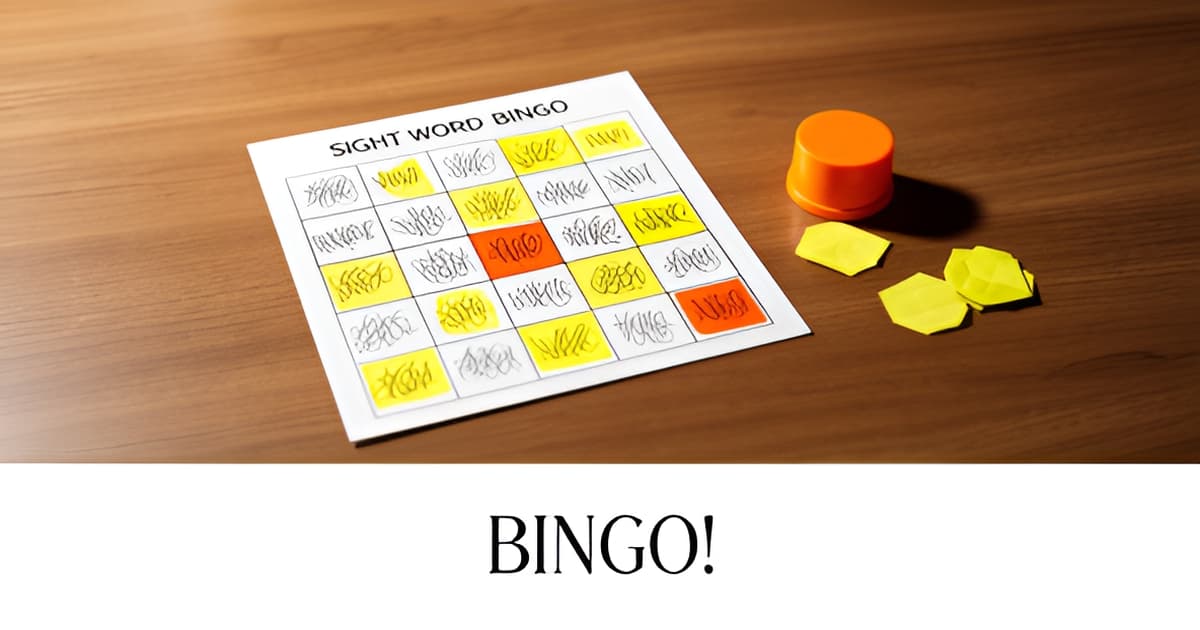
What is a good sight word game for 3rd grade?
Key Facts
- The 3rd Grade Dolch word list contains just 41 words, fitting neatly into a 5×5 bingo grid according to sight word educators.
- Pre-made bingo sets include 30 different cards per word list, enough for an entire classroom to play at once per leading sight word resources.
- Academic research found games-based sight word instruction is just as effective as rote memorization according to a Bowling Green State University study.
- The first 300 Fry words cover 65% of everything children encounter in print according to literacy research.
- The recommended session pairs a 10-minute lesson with 20 minutes of gameplay, totaling about 30 minutes per sight word instruction experts.
- Children get 90 seconds to read their bingo card before the caller begins based on established bingo game structure.
- Experts advise using games to reinforce already-taught words, never to introduce new vocabulary according to sight word best practices.
Why Bingo Works for 3rd Grade Sight Words
Sight word bingo has earned its reputation as the go-to game format for third grade classrooms, and the research explains why. The 3rd Grade Dolch word list contains 41 words, and pre-made bingo card sets adapt perfectly to a 5×5 grid, giving each player a card with a manageable selection of words that reinforces recognition without overwhelming developing readers. According to a leading sight words resource, bingo is described as the "most popular sight words game," a format that replaces traditional numbers with target vocabulary to motivate children to read in order to play and win. Academic research into sight word instruction further validates this approach, finding that games-based instruction is just as effective as rote memorization, confirming that bingo is a legitimate educational method, not just a fun distraction.
The effectiveness of the format is reinforced by practical data points from established bingo implementations. A standard bingo card uses a 5×5 grid, though alternatives of 4×4 and 3×3 exist for differentiated play; pre-made template sets typically include 30 different cards, enough for a full classroom to participate simultaneously. Research into game structure notes that children are given roughly 90 seconds to read their card before the caller begins, and that speeding up the pace of play helps students master words by forcing them to recognize them by sight rather than relying on phonetic decoding. The recommended session structure combines a brief 10-minute lesson with 20 minutes of gameplay, totaling about 30 minutes, an efficient use of classroom time that balances direct instruction with engaging practice.
Beyond the mechanics, bingo serves a specific pedagogical purpose: it reinforces words that have already been taught. Educators are advised not to use games to introduce new vocabulary, as this can embarrass students who have not yet mastered words their peers have; instead, bingo works best as a review tool for solidified knowledge. The 3rd Grade Dolch list of 41 words fits naturally into the 5×5 structure, and teachers can customize cards to include student names or unit-specific terms, allowing mixed-level groups to play together using different card sets. This flexibility, combined with the proven effectiveness of game-based reinforcement, makes bingo a staple resource for third grade literacy instruction.
Printoodle’s third grade sight word bingo tool lets teachers and parents generate customized, print-ready cards in seconds, tapping into the growing trend of using digital template platforms to create tailored educational games. Whether printing the same game on different colored paper for varying reading levels or adding custom words for a specific unit, the platform supports the differentiation needs of today’s classroom. Try the third grade sight word bingo generator and print a set that fits your students’ current level. For more options, check out the first grade sight word bingo or second grade sight word bingo tools to find the right fit for your classroom.
How to Customize and Differentiate Printable Bingo for Your Classroom
Using Printoodle’s generator, teachers can create printable bingo cards that align exactly with their students’ current reading level. The platform supports adding custom words, whether that means inserting individual student names for a personal touch or inputting unit-specific vocabulary from a recent science or social studies unit. This level of customization addresses a key trend identified in recent research: teachers and parents are increasingly using digital template platforms to design printable educational games tailored to specific grade levels and learning objectives, moving beyond generic worksheets to materials that feel relevant and engaging for their specific classroom. By leveraging these tools, educators can ensure that the game reinforces words students have already been taught, which research confirms is the most effective approach for this age group.
A critical best practice highlighted by sight word experts is that games should reinforce already-taught words rather than introduce new ones. This prevents children who may be struggling with specific words from feeling singled out or embarrassed in a group setting. For third graders specifically, the research data shows that the 3rd Grade Dolch word list contains 41 words, and pre-made bingo template sets include 30 different cards, enough for an entire classroom to play simultaneously. Printoodle’s tool suite expands on this by offering first grade and second grade versions of the bingo generator, making it simple to differentiate instruction. Teachers working with mixed-level reading groups can use the appropriate grade-level card set so that all students can participate meaningfully, regardless of their current reading proficiency.
When customizing cards, educators can choose from several grid formats to suit their classroom needs. The standard format is a 5×5 grid, but the research notes that 4×4 and 3×3 alternatives are available for easier play or shorter game sessions. To start a round, children are typically given about 90 seconds to read through their card before the caller begins. To keep the pace brisk and encourage true sight recognition, rather than relying on phonetic decoding, teachers are advised to speed up the calling pace. A fun variation involves having the winner read back their winning line, and for a longer session, "blackout" mode can be used where players aim to cover the entire card.
Research also highlights the importance of word list selection, noting that both the Dolch and Fry lists are viable resources for third grade instruction. While one source notes that Fry’s Instant Sight Words have become the more current standard, another perspective from established sight word sites indicates a preference for Dolch because it is the most widely used in education and has a greater volume of available resources. Printoodle’s generator is compatible with both approaches, allowing teachers to select or input words from either list depending on their curriculum or district requirements. Ultimately, the goal is solid mastery; as one veteran educator noted, it is much better for a child to solidly know a few words than to “kind of” know a large quantity.
Print it. Doodle it. Done.
Practical Tips for Running a Sight Word Bingo Session
A well-structured bingo session fits neatly into a standard 30-minute classroom window, giving children enough time to review recent lessons and then apply their knowledge in a low-pressure game format. The research-backed approach breaks this time into a 10-minute lesson review followed by 20 minutes of active gameplay, a rhythm that keeps attention spans engaged without overwhelming young readers. This structure works because it separates the introduction of new concepts from the reinforcement that happens during play, ensuring children are practicing words they have already been taught rather than guessing at unfamiliar terms.
Setting up the game board is straightforward, and the research provides clear parameters for what makes a card work well for third graders. A standard 5×5 grid contains the full 3rd Grade Dolch word list of 41 words, but teachers can easily shrink this to a 4×4 or 3×3 format for younger or struggling students who need fewer words on the page. Each player needs about 20 markers, such as counters, beans, or the included chips, to cover their board as words are called. Before the first word is announced, children are given a 90-second reading window to scan their card and familiarize themselves with the layout; this brief preview period reduces early-game friction and helps emergent readers feel confident before the competition begins.
To keep the pacing lively and the reading active, the caller should speed up as the game progresses, forcing students to recognize words by sight rather than relying on sounding out initial letters. When a player shouts "Bingo," they should be asked to read back the winning line of words aloud, turning the moment of victory into a quick comprehension check. For groups that finish early or need an extension, a "blackout" variant, where the goal is covering every square on the card, adds a new challenge without requiring a new board. These practical tips, drawn from established sight word best practices, make bingo a flexible tool for any classroom.
Printoodle’s generator lets teachers and parents create customized bingo cards in seconds, selecting from Dolch or Fry lists and adding student names or unit-specific vocabulary for a personal touch. This aligns with the broader trend of educators using digital template platforms to produce printable games tailored to specific grade levels and learning objectives. Teachers can also differentiate by printing the same game on different colored paper for mixed-reading-level groups, or by cross-linking to Printoodle’s first grade and second grade bingo tools to adjust difficulty across a single classroom. Print it. Doodle it. Done.
Dolch vs. Fry: Which Word List Powers Your Bingo Game?
Before you print a single bingo card, you have to answer a question that trips up a lot of parents and teachers: which word list should the game actually draw from? If you're hunting for what is a good sight word game for 3rd grade, the two big contenders are Dolch and Fry, and the sources genuinely disagree about which one to use.
Here's the contradiction in plain terms. One literacy resource argues that Fry's Instant Sight Words have replaced Dolch as the more current, widely used list over recent decades. Yet the team behind one of the most popular sight word bingo resources sticks with Dolch precisely because, in their words, it "is the most widely used in education and consequently has a lot more resources available" source. Both positions are defensible, and both lists work beautifully for bingo.
The numbers explain why each list has its fans. The 3rd grade Dolch list contains just 41 words, which makes it a tidy, manageable set for a classroom game, and pre-made bingo sets exist for it in 5×5, 4×4, and 3×3 grids source. Fry takes the opposite approach: the full list runs to 1,000 words, and the recommended third grade target is the first 300, introduced at a pace of roughly 10 new words per week source.
The payoff for committing to those 300 Fry words is hard to ignore. The first 25 Fry words alone cover about one-third of all written material, the first 100 cover half, and the first 300 cover 65% of everything children encounter in print source. A third grader who solidly knows those words reads with noticeably more fluency.
So which should power your bingo game? Either, honestly. The practical differences come down to scope:
- Dolch (41 words) suits a quick reinforcement game or a class still mastering the core third grade set.
- Fry (first 300) suits a year-long program where you add words weekly and want the cards to grow with your students.
- A blend of both works too, since many words appear on both lists anyway.
Whichever list you choose, a customizable generator solves the "which list" debate by letting you decide. With Printoodle's third grade sight word bingo tool, you can build cards around the Dolch 41 or pull from Fry's first 300, and add custom words like student names or unit vocabulary, a customization practice teachers already value source. If you're differentiating for mixed-level groups, the first grade sight word bingo and second grade sight word bingo tools let everyone play the same game at their own reading level, which is exactly the mixed-group strategy experienced teachers recommend source.
One rule matters more than the list you pick: fill the cards with words your students have already been taught. Games reinforce; they don't introduce. Print it. Doodle it. Done.
Frequently Asked Questions
What is a good sight word game for 3rd grade?
How many words are on the 3rd grade Dolch sight word list?
Should I use the Dolch or Fry word list for third grade bingo?
Is playing bingo actually teaching my child, or just a fun distraction?
How long should a sight word game session last?
Can a mixed-level reading group all play the same bingo game?
Ready, Set, Bingo: Your Third Graders Are One Card Away From Reading Wins
So, what is a good sight word game for 3rd grade? The answer comes through loud and clear: bingo. It's the format teachers trust most, it's backed by research showing games work just as well as rote memorization, and the 41-word Dolch list slips neatly into a 5×5 grid. Remember the golden rule, use games to reinforce words your students already know, keep sessions to about 30 minutes, and speed up the pace so kids read by sight instead of sounding things out. Whether you build your cards from Dolch, Fry, or a blend of both, the goal is solid mastery over shaky breadth. Printoodle's third grade sight word bingo generator makes it easy to create print-ready cards in seconds, with room for student names and unit vocabulary. Teaching mixed-level groups? Pair it with the first grade sight word bingo and second grade sight word bingo tools so everyone plays at their own level. Print it. Doodle it. Done.