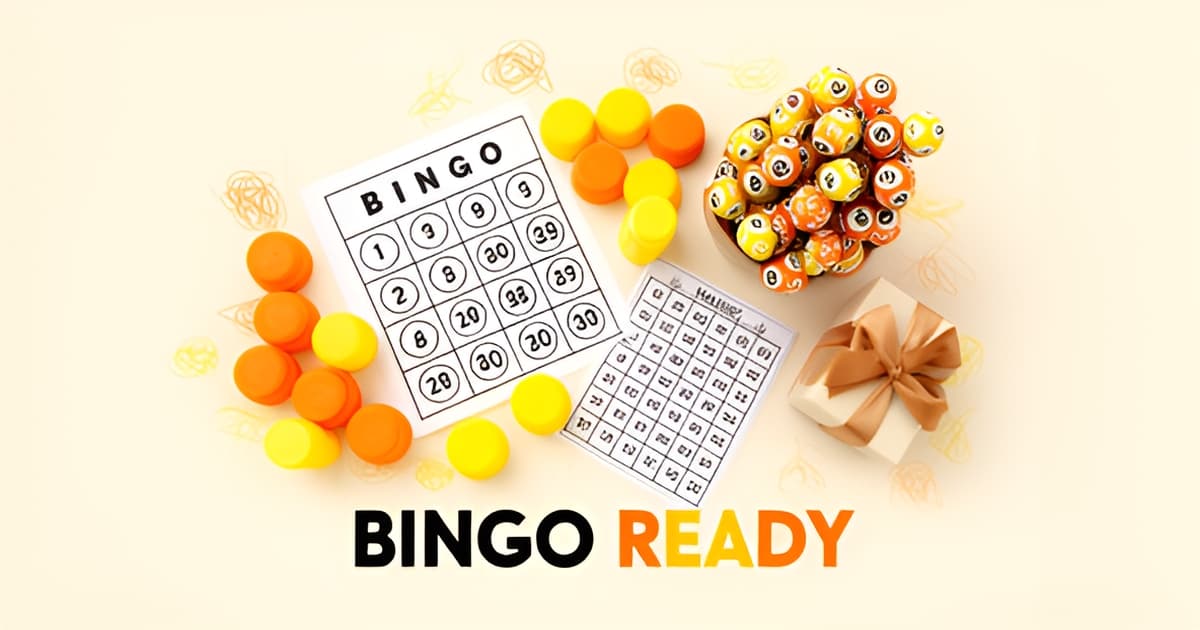
What supplies do I need to play bingo?
Key Facts
- A standard 5×5 bingo card can produce roughly 1.5 sextillion unique combinations, making duplicate cards effectively a non-issue according to Bingo Baker's documentation.
- A bingo supply retailer with nearly 50 years in the game lists just five essentials: cards, markers, a caller, a master board, and optional prizes per its how-to guide.
- Traditional 75-ball bingo assigns each B-I-N-G-O column a 15-number range, from B (1–15) up to O (61–75) according to bingo industry guidance.
- Crafting expert Megan Meketa recommends cardstock over regular paper because bingo cards "get pretty beat up over the course of numerous games" per wikiHow's card-making guide.
- A printed call sheet cut into slips and drawn from a hat fully replaces the spinning cage and master board for casual home games Bingo Baker notes.
- A 3×3 bingo card produces only 362,880 unique combinations versus 15.5 sextillion for the classic 5×5 grid Bingo Baker's data shows.
- Free bingo cards found online often carry watermarks or generic designs, which is why customizable generators have replaced manual formatting BingoBlitz warns.
The Core Bingo Supply List
If someone asked you to empty a junk drawer and set up a full bingo night, you'd probably get halfway there. That's how short the supply list really is when people ask "what supplies do I need to play bingo": cards, something to mark them with, a caller, a master board, and prizes if you want them.
According to a supply retailer with nearly 50 years in the game, the standard setup breaks down into five essentials:
- Bingo cards, either disposable paper or reusable ones
- Markers of some kind: daubers, chips, or shutters
- A way to call numbers, whether that's a cage, a blower, or a printed call sheet
- A master board so players can verify the numbers called
- Prizes, if your event includes them
Most of that is household stuff. Coins, pasta, or buttons work fine as markers at a kitchen table. For casual home games, you can even skip the cage and master board entirely: a printed call sheet can be cut into slips and drawn from a hat, which covers the calling job for a family game night.
The one item that takes real effort is the cards themselves. This is where setup has changed. As one game studio puts it, online bingo card generators have reshaped how people make cards, replacing the old routine of formatting grids by hand in Word or Google Docs. A bingo card generator like Printoodle's produces randomized, print-ready PDFs in seconds, so the hardest supply becomes a trip to the printer.
A few practical notes on printing. Crafting experts recommend cardstock over regular paper because bingo cards "get pretty beat up over the course of numerous games," and laminating them through shops like FedEx or UPS extends their life if you plan to reuse them. If you'd rather treat cards as disposable, regular printer paper works fine, and free reprints make that approach easy on the budget.
One more thing worth knowing about the cards themselves: the classic format is a 5×5 grid with a center FREE space, and traditional 75-ball bingo splits numbers into columns B through O with ranges like B (1–15) up to O (61–75). Smaller 3×3 and 4×4 grids work well for younger kids. And if you want to skip the number theme altogether, a ready-made variant like reading bingo swaps numbers for books and reading challenges, which teachers and parents tend to like.
Print it. Doodle it. Done.
From Manual Layout to Print-Ready PDFs
Not long ago, making bingo cards meant hand-drawing grids with a ruler or wrestling with column formatting in Word. Today, that entire step has moved online, and the answer to "what supplies do I need to play bingo" has gotten shorter as a result.
Multiple sources agree that online generators have changed how people create cards. BingoBlitz notes that a good generator "builds a perfectly spaced card for you in seconds," and Big Run Studios credits these tools with transforming the whole card-making process source. The math backs up the appeal: a 5×5 card can produce roughly 1.5 sextillion unique combinations, so duplicate cards are effectively a non-issue when a generator randomizes for you source.
A print-ready PDF generator covers the hardest item on the supply list. With a bingo card generator, you type in your words or numbers, download a formatted PDF, and print. What's left is genuinely physical: a printer and some paper. That's it for a casual game night.
The one printing decision worth making is paper weight. Crafting expert Megan Meketa recommends cardstock over regular printer paper "because bingo cards get pretty beat up over the course of numerous games," and suggests laminating finished cards through services like FedEx or UPS if you plan to reuse them source. Canva's guidance matches: heavyweight cardstock for reusable cards, regular paper for disposable ones source.
Here's the practical shopping list once your PDF is in hand:
- Cardstock (or regular paper for one-time-use cards)
- Markers: daubers, chips, coins, or shutters
- A printed call sheet, cut into slips and drawn from a hat or bowl
- Optional: lamination for cards you'll play with again
That last bullet matters more than people realize. Bingo Baker points out that every generated game includes a call sheet you can print and cut out, which means a hat full of folded slips fully replaces the spinning cage and master board used in formal halls source. For a home game, that's the difference between a five-minute setup and a supply run.
One pain point to watch for with free cards found online: BingoBlitz flags that they often carry "some kind of watermark" or feel generic source. This is where customization earns its keep. Printoodle's generator produces watermark-free PDFs sized for Letter or A4, and every design you make stays in your library with free reprints forever, so reprinting a fresh set for a second game night costs nothing.
The shift from manual layout to print-ready PDFs has compressed the supply question down to its essentials: cards you design yourself, paper, and something to mark with. Print it, doodle it, done.
Smart Supply Choices for Home Play
Once you know what supplies you need to play bingo at home, you can start making smarter choices about each item. The good news: for casual family games, you can skip most of the equipment a formal bingo hall uses and still get a smooth, fair game.
Start with the cards themselves. Crafting experts recommend cardstock over regular printer paper because, as wikiHow's crafting expert Megan Meketa notes, "bingo cards get pretty beat up over the course of numerous games." Regular paper works fine for a one-off disposable game, but cardstock holds up through repeated rounds and grabby little hands. You can read the full durability guidance on wikiHow's card-making guide.
Want cards that last for years? Laminate them. Meketa suggests laminating services from companies like FedEx and UPS, and BingoBlitz's guide agrees, recommending "a nice layer of sticky back plastic" over the printed card. Laminated cards pair well with chips or coins as markers, since daubers won't work on a plastic surface. A laminated set plus a jar of buttons can survive dozens of game nights.
Here's the really useful part for home players: you don't need a cage or blower to call numbers. A printed call sheet does the same job.
- Print a call sheet and cut it into slips, then draw them from a hat or bowl. Bingo Baker includes a printable call sheet with every generated game for exactly this purpose.
- Use small markers you already own: poker chips, coins, dried beans, or buttons work as well as commercial daubers.
- Skip the master board. For home play, the caller can simply keep the drawn slips in a stack to verify any disputed "BINGO!" claim.
That keeps your entire supply list to three things: cards, a call sheet, and something to mark with. If you're generating your own cards, Printoodle's bingo card generator produces print-ready PDFs in seconds, and since reprints are always free, printing fresh disposable cards on regular paper stays economical even if you skip cardstock entirely.
One more tip worth knowing: a standard 5×5 card can produce roughly 1.5 sextillion unique combinations, so duplicate cards in a home game are effectively a non-issue. That's why generators can hand every player a distinct card without any manual shuffling.
For teachers and parents, themed variants cut the prep even further. A reading bingo set, for example, swaps numbers for literacy milestones, so the same minimal supply list (cards, markers, call sheet) covers a classroom activity too. Print it, laminate it if you like, and you're ready to play.
Customization Without the Watermarks
Free bingo cards sound great until you print them. As BingoBlitz points out, cards you find online often come with "some kind of watermark on them, or that they're not quite your taste", and nothing deflates a themed party faster than a generic card stamped with someone else's logo.
The fix is a customizable, watermark-free generator. A bingo card generator like Printoodle's builds a perfectly spaced card in seconds, as one card-making guide notes these tools have largely replaced manual formatting in Word or Google Docs. You get a print-ready PDF you can tailor to the occasion, and reprints stay free forever, so a spilled dauber never ruins the game night.
Why customization matters for your supply list
When you're figuring out what supplies do I need to play bingo, the cards are the one item where quality varies wildly. Markers, a call sheet, and prizes are simple. Cards, though, set the tone. A personalized card can carry:
- A birthday child's name across the top
- Photos or themes matched to a bridal or baby shower
- Classroom vocabulary instead of numbers, for teachers building a lesson around the game
- Smaller 3×3 or 4×4 grids, which card guides recommend for younger kids who track fewer squares more easily
Personalization also solves a fairness problem. A standard 5×5 card can generate roughly 15,511,210,043,330,985,984,000,000 unique combinations, according to Bingo Baker's documentation, so the odds of two players holding duplicate cards are effectively infinitesimal. A generator taps that full randomization pool automatically, something hand-drawn cards can't guarantee.
For durability, print on cardstock. Crafting expert Megan Meketa, cited by wikiHow, recommends it because "bingo cards get pretty beat up over the course of numerous games," and suggests lamination for cards you want to reuse across seasons.
Teachers get a shortcut here too: Printoodle's reading bingo tool comes pre-built for classroom use, so the customization work is already done. Print it, doodle it, done.
Beyond the basic 5x5 grid, smaller formats suit kids and themed occasions. A 3x3 card produces only 362,880 unique combinations, while the classic 5x5 grid can generate 15.5 sextillion cards, making duplicates infinitesimal even across large groups source. Educational variants like reading bingo offer ready-made options for teachers and parents, and a mix of small prizes keeps casual games engaging.
The core supply list is short and well-established: bingo paper or reusable cards, daubers or chips for marking numbers, a method to call numbers, a master board for verification, and optional prizes source. The most involved supply, the cards themselves, can now be generated and printed at home in seconds using free online generators, requiring only a printer and paper. Cardstock is recommended over regular printer paper because cards get beat up over numerous games, and a simple layer of laminate extends their lifespan significantly source. For home games, a printed call sheet cut into slips or drawn from a hat replaces the need for a physical cage or blower source.
Printoodle PDFs simplify setup by generating personalized, print-ready cards in seconds, eliminating the manual formatting once required in word processors. Users can customize cards with themes, names, or educational content, and every download is free of watermarks. Free reprints are always available from the library, so disposable paper play stays economical, and cardstock printing ensures durability for repeated use. A bingo card generator covers the hardest part of setup, leaving only a printer, paper, and something to mark with as the remaining essentials.
Ready to play? Print it. Doodle it. Done.
bingo card generator Printoodle to create custom cards in seconds. For teachers and parents, try reading bingo Printoodle for ready-made educational fun.
Frequently Asked Questions
What supplies do I need to play bingo at home?
Can I play bingo without buying a cage or master board?
What can I use as bingo markers if I don't have daubers?
Should I print bingo cards on cardstock or regular paper?
How do I make custom bingo cards without watermarks or generic designs?
Are duplicate bingo cards a problem when I print my own?
Your Bingo Night Starts With One Printout
So, what supplies do you need to play bingo? Fewer than you thought: cards, something to mark with, a way to call numbers, and prizes if you're feeling festive. For home games, a printed call sheet drawn from a hat replaces the cage and master board, and coins or buttons stand in for daubers. The only supply that ever required real effort, the cards, is now a solved problem. A bingo card generator like Printoodle's produces watermark-free, print-ready PDFs in seconds, with free reprints forever, so a fresh set costs nothing but paper. Print on cardstock (and laminate if you want cards that survive dozens of game nights), or keep it disposable on regular paper. Teachers and parents can skip numbers entirely with a ready-made reading bingo set. Your next step is simple: gather a bowl, some buttons, and a printer. Print it. Doodle it. Done.