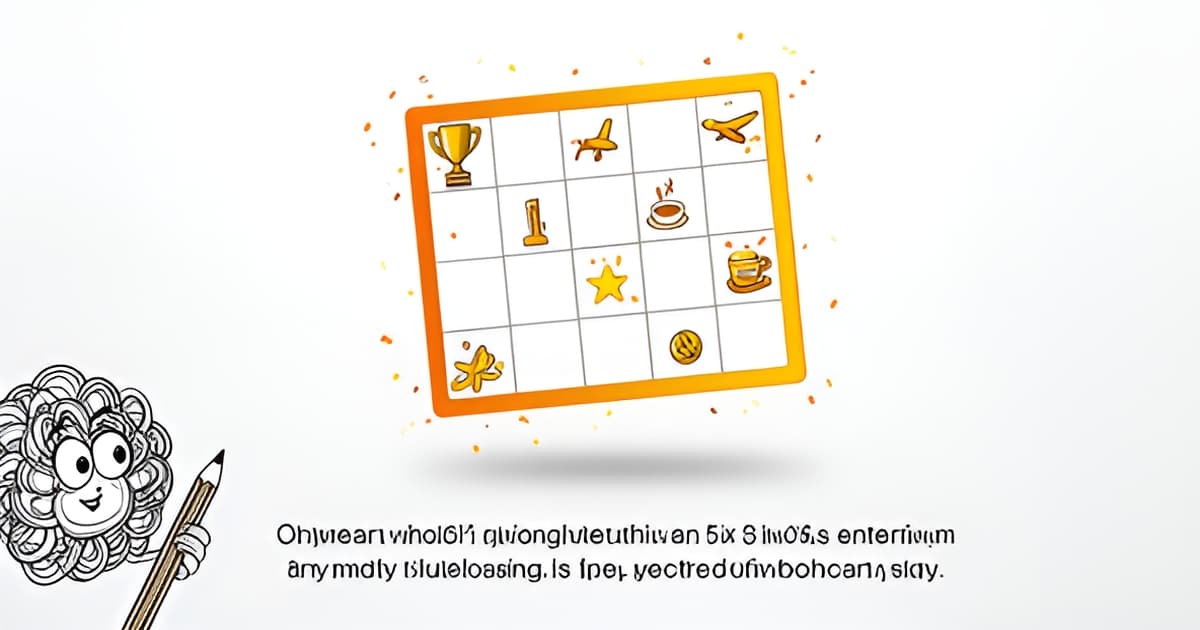
What to write on a 2026 bingo card?
Key Facts
- 88% of people abandon their New Year's resolutions within just two weeks, according to Baylor College of Medicine research.
- Nearly half of adults aged 18 to 29 make New Year's resolutions each year, Fast Company reports.
- The standard 2026 bingo card uses a 5x5 grid with 48 unique squares plus a free space, per the viral BingoBaker card.
- 2026 features two Friday the 13ths, February 13 and March 13, according to timeanddate's calendar.
- Super Bowl LX lands on February 8, 2026, with the Boston Marathon on April 20 and the Kentucky Derby on May 2, per the official 2026 holiday listing.
- Goal-bingo originator Erin Jones recommends strategic square placement to chase either the easiest bingo or the most life-changing one, as told to ABC News.
- Experts advise mixing big goals like 'run a 5k' with small wins like 'unsubscribe from unwanted emails' to keep engagement alive all year, per bingo card guides.
Why Resolutions Flop and a 2026 Bingo Card Fixes That
Every January, millions of people write down ambitious resolutions, and by mid-January most of those lists are already gathering dust. If you're wondering what to write on a 2026 bingo card instead, the answer starts with understanding why the traditional approach keeps failing. According to research from Baylor College of Medicine, 88% of people who make resolutions abandon them within just two weeks. That's a striking failure rate, especially since nearly a third of American adults still make resolutions each year, and almost half of 18- to 29-year-olds join them.
So why does the annual ritual collapse so quickly? Fast Company's Emily Guy Birken points to a structural flaw: resolutions rely on external motivation, the calendar change itself, rather than internal drive. Once the cultural moment of "new year, new you" passes, the motivation fades with it. The mindset also encourages unrealistic, overambitious goals that leave no room for struggle, frustration, or failure, which is exactly where most goal-setting falls apart.
A 2026 bingo card works differently. Instead of a rigid list, you build a 5x5 grid where achieving a goal earns an X, and the aim is to land multiple bingos throughout the year. As ABC News/GMA documents, this gamified format keeps goals in front of you consistently. Camille Smith, a 26-year-old chemical engineer from Philadelphia who uses the method, put it plainly: "I accomplished so much because I was consistently thinking about it all year, which is something that I hadn't experienced when I had just written my goals down."
The format rewards balance. When filling your squares, mix ambitious targets with quick wins:
- Big goals like "Learn a new skill" or "Save $X amount"
- Small wins like "Try a new recipe every month" or "Unsubscribe from unwanted emails"
- Social milestones like "Host a dinner party" or "Go camping"
- Dated events like Super Bowl LX on February 8 or the two Friday the 13ths in February and March
Erin Jones, who originated the goal bingo concept, recommends strategic square placement: position your goals so you can chase either the easiest bingo or the most "life-changing" bingo. You can even use individual squares to break big goals into milestones and reward yourself after each one, keeping motivation alive long past the January window.
If you want to build your own card, a bingo card generator like the one at Printoodle turns a list of goals into a print-ready 5x5 grid in seconds, and a 2026 calendar printable helps you map which squares land in which month. Print it. Doodle it. Done.
The Three Square Types Every Good 2026 Bingo Card Mixes
A 2026 bingo card works best when it feels like a living document rather than a static checklist. Research into how people actually use these cards shows that the magic happens in the mix, blending concrete dates that everyone recognizes with personal goals that feel meaningful. The most effective cards balance the external calendar with internal aspirations, creating a play experience that rewards both luck and effort.
The foundation of any strong 2026 card starts with dated milestones. Timeanddate.com’s comprehensive listing confirms that Super Bowl LX falls on February 8, 2026, while Friday the 13th appears twice that year, on February 13 and March 13. Other anchored dates include the Kentucky Derby on May 2 and the Boston Marathon on April 20. These fixed points give players something to scan for immediately, turning the card into a shared cultural touchpoint. Beyond the big events, a range of holidays, from Martin Luther King Jr. Day in January to Christmas in December, provides natural spacing throughout the year, ensuring no month feels empty.
But dates alone won’t sustain engagement. Data from Baylor College of Medicine highlights that 88% of people abandon resolutions within two weeks, a statistic that underscores why the bingo format has gained traction. Nearly half of adults aged 18 to 29 make New Year’s resolutions, yet the traditional list format often sets people up for failure. The bingo approach, by contrast, creates “room for struggle, frustration, or failure” without derailing the entire year’s momentum. This is where the strategic mix of big goals and small wins comes into play.
Icebreaker-games.org recommends populating cards with a combination of ambitious milestones and achievable monthly tasks. A player might aim to “run a 5k” or “learn a new skill” alongside “try a new recipe every month,” “host a dinner party,” or “unsubscribe from unwanted emails.” This balance ensures that every card has squares easy enough to complete on a Tuesday in March, and others that might take months of planning, like “visit Japan” or “run a marathon.” Erin Jones, the originator of the goal bingo concept, notes that strategic square placement can determine whether a player achieves an easy bingo or a life-changing one. Positioning simpler tasks in accessible spots, like the center row or corners, gives players quick wins, while more challenging squares sit ready for those moments of motivation.
Incorporating tech and societal themes also adds a layer of relatable humor. BingoBaker.com’s analysis of 2026 cards shows categories like “AI tool replaces a basic job task,” “price increase everywhere,” and “software update breaks things.” These squares acknowledge the shared experience of navigating a rapidly changing digital landscape, from paywall frustrations to digital privacy concerns. When players mark off “AI hype cycle peaks” or “new subscription fatigue,” they’re not just checking a box, they’re acknowledging a year lived.
The structural format itself matters. The standard 5x5 grid with a free space center and 48 unique squares is the industry benchmark, confirmed across multiple sources. This familiar layout means players can dive in immediately without a learning curve, and the 24 visible squares provide ample real estate for a full year’s worth of content. Whether organized chronologically by month or thematically by category, the grid offers a flexible canvas.
Creating a 2026 bingo card that lasts requires more than filling squares, it requires intention. By weaving together specific dates, personal ambitions, and the small, everyday moments that make up a year, the card becomes a tool for reflection and achievement. It transforms the vague promise of “new year, new you” into a series of concrete, celebratable steps. Ready to start your own? Printoodle’s bingo card generator makes it easy to customize your grid with these milestones and goals, then print or download a PDF to keep throughout the year. Doodle it. Done.
Funny and Relatable 2026 Prediction Squares
If you're wondering what to write on a 2026 bingo card, the humor squares are where your card earns its laughs. The viral BingoBaker 2026 card went heavy on tech and society jokes, and it's easy to see why: everyone has lived through a software update that broke their phone.
That card uses a 5x5 grid with 48 unique squares plus a free space, according to the original card, and its funniest squares work because they're near-certain predictions. "AI tool replaces a basic job task," "software update breaks things," "price increase everywhere," and "major app outage" all landed on the card because they capture shared, eye-rolling experiences. As one Fast Company piece on the bingo-card trend notes, the format works precisely because it leaves room for the frustrating and absurd parts of a year, something rigid resolutions never allow.
Here's a ready-to-copy list of funny 2026 prediction squares, pulled from the viral card's tech and society categories:
- AI hype cycle peaks (again)
- Feature locked behind a new paywall
- Platform redesign universally hated
- Digital privacy scare makes headlines
- Unexpected personal expense arrives at the worst time
The reason these squares keep a card playful is simple: they're specific enough to be funny and vague enough to come true. Guidance from icebreaker-games.org recommends mixing big and small squares for balance, and the same logic applies to humor. Pair an ambitious square like "run a 5k" with "unsubscribe from unwanted emails" and the card stays engaging all year rather than feeling like a second job.
If your game night includes kids or grandparents, keep it family-friendly with a few swaps. Instead of "major tech layoffs again," try "the whole family argues over one group text." Replace "economic uncertainty" with "someone says 'back in my day' at dinner." The goal is humor everyone recognizes, not jokes that need a disclaimer.
When you're ready to build your card, cross-check your dated squares against a 2026 calendar printable so milestones like Super Bowl LX on February 8 or the double Friday the 13th (February 13 and March 13) land in the right spots. Then drop everything into a bingo card generator and let it shuffle the grid for you. Print it, doodle on it, and you're done: one card, twelve months of laughs.
ctaText: Print it. Doodle it. Done. Generate your 2026 bingo card with Printoodle.
socialProofText: Thousands of parents, teachers, and party hosts use Printoodle to create custom bingo cards in seconds.
How to Build and Print Your 2026 Bingo Card
Once you've brainstormed what to write on a 2026 bingo card, the build itself is surprisingly simple. The standard format is a 5x5 grid with a FREE SPACE in the center and 48 unique items, a structure confirmed by existing 2026 prediction cards. That gives you 24 visible squares to fill, plus a freebie everyone loves.
The best cards follow the calendar. Map your squares month by month so the card feels paced across the year, not front-loaded with January optimism. Anchor each month with a dated milestone, then pad with seasonal humor or personal goals.
A 2026 timeline gives you plenty of anchors. Super Bowl LX lands on February 8, the Boston Marathon on April 20, and the Kentucky Derby on May 2, according to timeanddate's 2026 holiday listing. Friday the 13th appears twice, on February 13 and March 13, which practically begs for a superstition square. Keep a 2026 calendar printable open while you plan so you can verify dates as you go.
For balance, follow the advice from bingo card guides: mix big goals with small wins. A square like "Learn a new skill" keeps ambition on the board, while "Try a new recipe every month" or "Unsubscribe from unwanted emails" gives you frequent, achievable hits. That balance matters, because 88% of people abandon their resolutions within two weeks, as Fast Company reports. Small wins keep you playing.
A quick month-mapping example:
- January: New Year's Day (Jan 1) plus one personal goal square
- February: Super Bowl LX (Feb 8), Valentine's Day (Feb 14), Friday the 13th (Feb 13)
- March: St. Patrick's Day (Mar 17), Eid al-Fitr (Mar 20), second Friday the 13th (Mar 13)
- April: April Fool's Day (Apr 1), Easter (Apr 5), Tax Day (Apr 15)
- May onward: Cinco de Mayo (May 5), the Derby, and your seasonal picks through December
You could hand-draw a grid, but a bingo card generator does the layout work for you and produces a print-ready PDF in seconds. Type in your 48 items, drop the FREE SPACE in the center, and download. Printoodle's generator defaults to Letter size with an A4 toggle, so it works whether you're printing at home or at school.
Customize for your crowd. For kids, swap predictions for observable events like "First snow day" or "See a rainbow." Classroom versions can tie squares to curriculum milestones or school holidays. For a New Year's party, lean into prediction humor: "Major app outage," "Platform redesign hated," or "Price increase everywhere" are all proven crowd-pleasers from real 2026 cards.
Strategic placement counts too. As goal-bingo originator Erin Jones told ABC News, position your squares so you can chase either the easiest bingo or the most life-changing one. Corners and center rows are prime real estate. Place accordingly, print, and start marking.
Make 2026 the Year You Actually Mark Off the Squares
Knowing what to write on a 2026 bingo card comes down to three things: anchor your grid with dated milestones like Super Bowl LX on February 8 and the double Friday the 13th, mix big goals with small wins so every month offers a markable square, and sprinkle in the funny predictions everyone will recognize, because a card that makes you laugh in June is a card you'll still be playing. Unlike the 88% of people who abandon traditional resolutions within two weeks, according to Fast Company, a bingo card keeps your goals visible, forgiving, and genuinely fun all year long. Your next steps are simple: sketch out your 48 squares, check them against a 2026 calendar printable so your dates land in the right months, and place your easiest wins where they'll trigger the first bingo. When you're ready, Printoodle's bingo card generator turns your list into a print-ready 5x5 grid in seconds, free reprints included, so you can start fresh anytime. Print it. Doodle it. Done.